
Implanted hair vs removable wig is an important choice because hair changes the expression of a silicone doll almost as much as the face itself. It frames the eyes, defines the silhouette and influences how natural the head looks in close-up photography. Appearance, however, is only one part of the decision.
Implanted hair can create a highly convincing hairline and a more integrated finish. A removable wig provides greater styling freedom, simpler off-head cleaning and easier replacement. The better option depends on the head construction, your preferred look, how often you want to change styles and how much maintenance you are comfortable performing.
Quick answer: Choose implanted hair when a natural, fixed hairline is the priority and you are prepared for careful maintenance. Choose a removable wig when you want to change color, length or texture easily, clean the hair separately and replace it without specialist work.
What Is Implanted Hair?
Implanted hair is inserted directly into the silicone scalp during production. Depending on the manufacturer, the process may place individual strands or small groups of fibers into the head to create a rooted appearance. The result can look especially natural around the forehead, temples and parting because there is no separate wig edge to conceal.
The implantation method, fiber type, density and scalp construction vary between brands. Some manufacturers support implantation on selected soft silicone heads, while others restrict it to particular head designs. Never assume that every silicone head can receive implanted hair simply because another model from the same brand offers it.
Because the hair is integrated into the scalp, it is best considered a semi-permanent aesthetic choice. It may be gently restyled within the limits of the supplied fiber, but changing the complete color, length or density is not as simple as replacing a wig.
What Is a Removable Wig?
A removable wig is a separate hairpiece fitted over the head. It may include adjustable straps, an elastic edge or another manufacturer-approved fitting system. The head beneath it may be smooth or shaped to help the wig remain in position.
The main advantage is flexibility. A single head can move from a short dark style to long waves, a formal updo or a fantasy look without changing the underlying model. The wig can also be removed before washing, detangling or long-term storage, which keeps water and hair products away from the facial makeup and scalp.
Wig quality matters. Fiber density, cap construction, hairline design, parting and fit all affect the final appearance. A carefully fitted premium wig can look refined and convincing, while an oversized or poorly positioned cap can appear bulky around the forehead.
Implanted Hair vs Removable Wig: At-a-Glance Comparison
| Feature | Implanted Hair | Removable Wig |
|---|---|---|
| Hairline realism | Usually the most seamless option when well executed | Depends strongly on cap fit, density and placement |
| Style changes | Limited; major changes may require specialist work | Easy to change color, length and texture |
| Cleaning | Must be cleaned carefully while attached to the head | Can be removed and cleaned separately |
| Replacement | More difficult if shedding or damage becomes significant | Straightforward when a compatible replacement is available |
| Scalp protection | Requires gentle handling around every implanted area | Requires attention to cap friction, fit and possible color transfer |
| Best for | A consistent signature look and close-up realism | Versatile styling, cosplay and convenient maintenance |
Which Option Looks More Realistic?
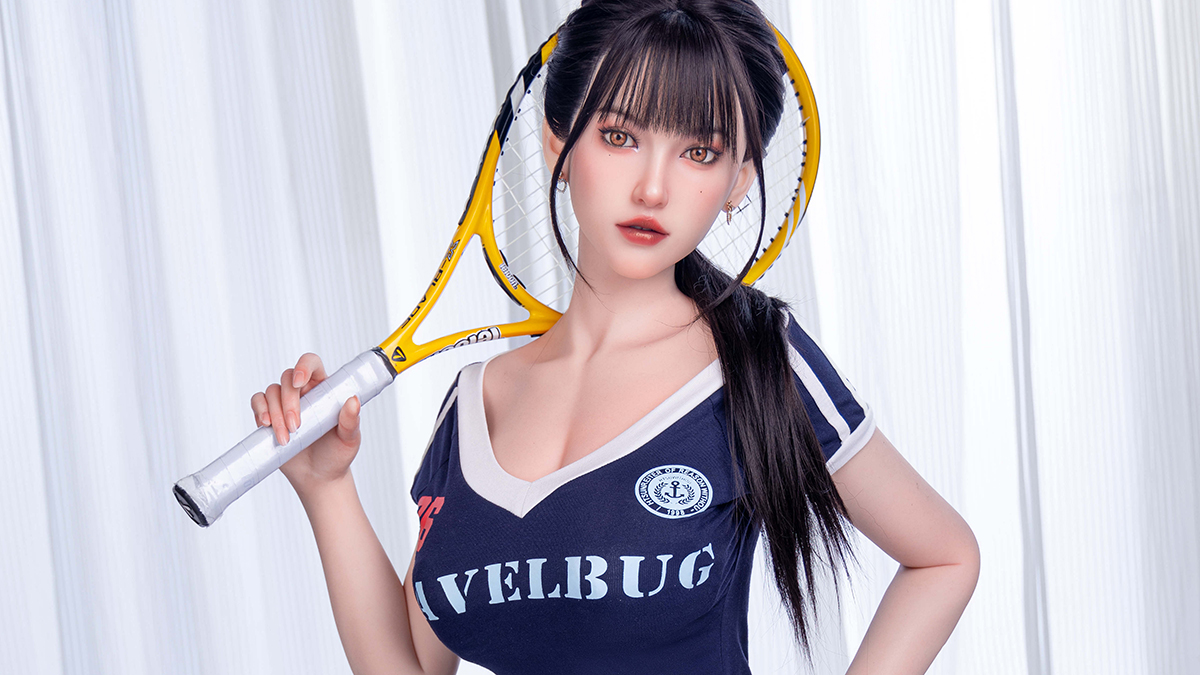
Implanted hair often has the advantage at the hairline. When the density, direction and parting are carefully executed, the transition from forehead to hair can remain convincing from multiple viewing angles. This is especially valuable for portraits, close-up photography and display environments where the scalp is visible.
A removable wig can still produce excellent results. Realism depends on selecting the correct size, aligning the parting, controlling excess volume and positioning the front edge naturally. Bangs, side-swept styles and softly layered hair can make the cap edge less visible without looking deliberately concealed.
Realism should also be judged as a complete composition. Hair color needs to complement the skin tone, eyebrows, eyelashes and makeup. A technically impressive hairline can still feel unbalanced if the shade or style competes with the face.
Style Flexibility and Creative Presentation
A removable wig is the clear choice for frequent visual changes. Collectors can maintain several styles for different clothing, lighting and photography concepts. A new wig can transform the model without changing the head or committing to a permanent modification.
This flexibility is particularly useful for fantasy, anime-inspired and themed collections. Explore our fantasy and anime-style silicone dolls for examples of how hair color and silhouette can support a distinct character direction.
Implanted hair is better suited to a signature identity. It keeps the chosen hairline and overall character consistent, which can create a more cohesive premium presentation. Gentle styling changes may be possible, but frequent dramatic restyling creates unnecessary tension at the roots.
Durability and Shedding
Both hair options can shed. The causes and remedies are different.
Implanted hair depends on the security of the rooting and the condition of the surrounding silicone. Pulling, aggressive brushing, friction and repeated tight hairstyles can loosen fibers. Once substantial shedding occurs, restoration may require specialist work and may not return the scalp to its original appearance.
A wig can also shed through normal use, tangling or rough brushing. Its advantage is replaceability: the hairpiece can be repaired or exchanged without altering the head. This makes a wig a practical option for owners who expect frequent handling.
There is no universal lifespan for either option. Fiber quality, production method, frequency of styling, storage conditions and care routine all matter more than the category name alone.
How to Care for Implanted Hair
Implanted hair should be handled as a delicate part of the silicone head, not as ordinary human hair. Always begin with the care instructions supplied for the exact model and fiber type.
- Reduce tension before brushing. Hold the hair close to the scalp so the roots do not absorb the pulling force.
- Detangle from the ends upward. Work through short sections instead of dragging a comb from scalp to tip.
- Use a suitable wide-tooth comb or soft brush. Avoid tools with sharp edges that can scratch the silicone.
- Use minimal moisture near the scalp. Do not soak the head or allow water to remain around implanted areas.
- Do not scrub or wring. Gently smooth the hair in its natural direction and blot moisture rather than rubbing.
- Air-dry completely. Keep the head supported and avoid concentrated heat unless the manufacturer explicitly approves it.
- Avoid tight styles. Tight ponytails, braids and small elastics can place continuous tension on the roots.
Frequent washing is rarely necessary because the doll does not produce natural scalp oils. Clean only when needed, use products approved for the supplied fiber and keep cleansers away from painted facial details whenever possible.
How to Care for a Removable Wig
Cleaning a removable wig away from the head is usually easier and safer. Confirm whether the fibers are synthetic, heat-resistant synthetic or human hair before selecting any product or styling method.
- Remove the wig carefully. Release adjustable straps before lifting the cap rather than pulling from the hair.
- Detangle while dry. Work from the ends toward the roots in small sections.
- Wash only when needed. Use cool or lukewarm water and a cleanser intended for the identified fiber type.
- Avoid twisting and scrubbing. Gently move the wig through the water and rinse without wringing it.
- Blot excess water. Use a clean towel with light pressure.
- Air-dry on a suitable stand. Wait until the cap and fibers are fully dry before refitting.
- Store separately. A wig stand or breathable storage system helps preserve the shape and reduce tangles.
Do not use a hair dryer, straightener or curling iron unless the wig is specifically labeled for that temperature range. Heat can distort ordinary synthetic fibers long before it appears hot enough to cause concern.
Protecting the Silicone Head Beneath a Wig
The contact area between the wig and head deserves attention. A dark, newly dyed or untested cap may transfer color to some silicone finishes. Friction from a cap that is too tight can also affect surface makeup or create pressure around delicate areas.
- Confirm that the wig size matches the head circumference.
- Inspect the inside of the cap for dark dye, rough stitching and sharp clips.
- Use only a light-colored protective cap approved for the model.
- Test unfamiliar materials against a discreet area for a short period.
- Remove the wig during long-term storage unless the manufacturer recommends otherwise.
- Never improvise with strong glue, tape or solvents around the hairline.
Clothing and accessory dyes require similar care. Review the clothing and stain-prevention section of our silicone doll care and maintenance guide before introducing new dark fabrics.
Head Compatibility and Production Considerations
Implanted hair may not be available for every head. Compatibility can depend on silicone density, scalp thickness, internal head construction, mouth system and the manufacturer’s implantation method. Even within one product series, only selected head sculpts may support the option.
Implantation is labor-intensive and may add cost or production time. Before ordering, confirm:
- Whether the exact selected head supports implanted hair.
- Which fiber type, color, density, length and parting are available.
- Whether the preview image shows the same head and hair option.
- How much additional production time the option requires.
- What the warranty covers if early shedding occurs.
- Whether professional repair or reimplantation is available.
If a particular head does not support implantation, a premium fitted wig may offer a better result than modifying the scalp after production.
Choosing Hair Color, Length and Density
Color
Hair color should support the complexion and makeup rather than overpower them. Deep brunette and black tones can produce strong contrast, while softer brown, auburn and blonde shades often create gentler transitions. Fantasy colors work best when the eyebrows, eye color and clothing palette are considered together.
Length
Long hair creates a luxurious silhouette but requires more detangling and can rub against the shoulders and back. Medium lengths are easier to maintain and still provide styling flexibility. Short styles reveal more of the neck, ears and hairline, making fit and implantation quality especially visible.
Density
More hair is not always more realistic. Excessive density can create bulk around the crown and hide the facial structure. A balanced distribution with a considered parting often looks more natural than maximum volume.
Which Hair Option Is Better for Photography?
Implanted hair is valuable for close portraits, side profiles and images where the forehead or parting is prominent. The integrated hairline reduces the amount of adjustment required between shots.
Removable wigs are more versatile for a varied photography collection. They allow one head to support multiple visual identities and make it easier to prepare complex styles away from the model. Careful cap placement, controlled flyaways and soft directional lighting can greatly improve the final result.
For more presentation advice, explore our guide to silicone realism and collector presentation.

Which Hair Option Is Better for You?
Choose implanted hair if:
- You want the most seamless possible hairline.
- You prefer one carefully defined signature style.
- You plan to create close-up portraits or permanent display compositions.
- You are comfortable with gentle, lower-frequency maintenance.
- The exact selected head officially supports implantation.
Choose a removable wig if:
- You want to change color, length or texture regularly.
- You prefer to clean and style the hair away from the head.
- You want simple replacement if the fibers become worn.
- You create cosplay, fashion or seasonal photography concepts.
- You value convenience more than a fully integrated hairline.
Hair is one part of the complete configuration. Balance it with the body size, head design and internal articulation described in our silicone doll buying guide and silicone doll skeleton guide.
Common Hair-Care Mistakes
- Brushing implanted hair without supporting the roots.
- Starting at the scalp and pulling a comb through every tangle.
- Using high heat without confirming the fiber’s temperature tolerance.
- Applying ordinary hair products without checking compatibility.
- Washing too frequently or leaving the scalp damp.
- Using a tight, dark wig cap without testing for transfer.
- Applying unapproved glue or tape near silicone and facial makeup.
- Storing long hair loose where it can be compressed and tangled.
For a complete routine covering the body, head and storage environment, use our silicone doll care and maintenance guide.
Frequently Asked Questions
Does implanted hair look more realistic than a wig?
Implanted hair usually provides a more integrated hairline, especially around the forehead and parting. A high-quality, correctly fitted wig can still look highly realistic and offers much greater styling flexibility.
Can implanted hair be replaced?
Minor repair or reimplantation may be possible for some heads, but it requires appropriate materials and specialist knowledge. Ask the seller about repair support before ordering and do not attempt to insert replacement fibers without instructions.
Can I wash implanted hair?
Only when necessary and according to the model-specific care guide. Use minimal moisture near the scalp, avoid rubbing or soaking and support the roots while detangling.
Can I use heat tools on a removable wig?
Only if the wig is explicitly identified as heat-resistant and includes a safe temperature range. Standard synthetic fibers can melt, frizz or permanently deform under heat.
Should I leave the wig on during storage?
Separate storage is often preferable because it reduces friction, pressure and possible color transfer. Follow the instructions for the exact head and keep both the wig and head completely dry.
Does every silicone head support implanted hair?
No. Availability depends on the head construction, silicone properties and manufacturer’s process. Confirm compatibility for the exact head sculpt before ordering.
Final Thoughts
The choice between implanted hair and a removable wig is a balance of realism, flexibility and maintenance. Implanted hair offers a refined, integrated finish for collectors who want a consistent signature look. A removable wig makes styling, cleaning and replacement significantly easier.
Whichever option you choose, gentle handling matters most. Support the roots, detangle from the ends, avoid unapproved heat and store the hair clean and dry. A considered hair choice will complement the face while protecting the long-term presentation of the model.
Manufacturer Guidance and References
Hair construction and care requirements vary by product. For manufacturer-specific examples, review the ZELEX Dolls Guide and the SensiaDoll Maintenance Guide, then follow the instructions supplied with the exact head and hair option you select.

