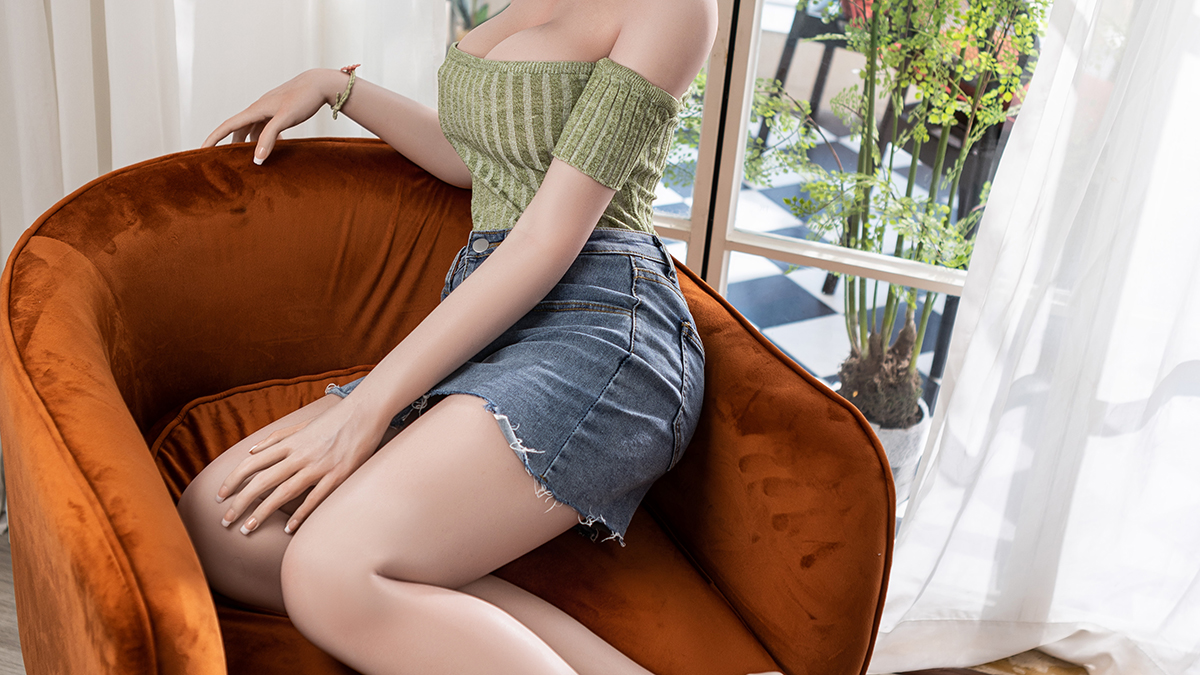
Sex Doll Care & Maintenance for Long-Term Ownership

Proper sex doll care and maintenance is not about complicated routines or aggressive cleaning. It is about understanding how silicone and TPE materials behave during real ownership and building simple habits that can be repeated consistently over time. Most long-term surface issues do not appear suddenly. They usually develop gradually through incomplete drying, tight clothing left on too long, poor storage angles, direct sunlight, repeated pressure, or cleaning products that are too harsh for the material.

For most owners, maintenance becomes much easier once the basics are clear. Gentle cleaning, complete drying, light powdering, stable storage, careful handling, and realistic posture support usually matter more than expensive repair products or intensive cleaning routines. A doll that is cared for calmly and regularly will usually maintain better texture, appearance, and presentation than one that is cleaned aggressively only after visible problems appear.

Environmental conditions also play an important role. Warmer rooms, high humidity, limited airflow, and direct sunlight can gradually influence surface feel, stain sensitivity, and texture balance. Even small details, such as leaving dark clothing on the body for several weeks, may create marks that become difficult to remove later. This is especially important for TPE dolls, but silicone dolls also benefit from careful storage and fabric awareness.

Material type changes the maintenance approach. Silicone is generally easier to manage because it is more stable, less porous, and better at holding sculpt definition over time. TPE often feels softer and warmer, but it usually requires more attention to drying, powdering, fabric contact, and surface protection. Understanding these differences helps owners avoid using the same care routine for every doll.

Collectors who frequently move, dress, photograph, or display their dolls also need to think about posture and joint pressure. Shoulders, hips, knees, wrists, ankles, and fingers experience repeated movement during ownership. Slow repositioning, natural limb angles, and proper body support usually preserve the internal skeleton far better than forcing dramatic poses for short-term visual impact.

Maintenance also supports realism. A well-maintained doll usually photographs more naturally, keeps a smoother surface texture, and maintains a cleaner appearance under indoor lighting. For owners who care about display, styling, or long-term presentation, proper care is part of the complete ownership experience rather than a separate technical task.

This guide explains practical long-term maintenance for silicone and TPE dolls, including cleaning, drying, powdering, moisturizing, stain prevention, storage, joint protection, wig care, makeup preservation, minor repairs, and realistic daily habits that help protect texture, structure, and overall condition over time.

If you also want to understand how material choice affects realism, structure, and ownership experience, you can read our Silicone vs TPE Dolls Guide and Silicone Doll Buying Guide.

realistic silicone doll care and maintenance for posture and surface protection

1. Understanding How Silicone and TPE Behave Over Time

Before building a maintenance routine, it helps to understand how silicone and TPE behave during long-term ownership. Both materials can feel realistic, but they respond differently to handling, cleaning, clothing contact, temperature, humidity, pressure, and storage conditions. The best care routine is not one fixed method for every doll; it should match the material and how the doll is actually used.

Silicone is generally more stable and less porous than TPE. Many collectors prefer silicone because it tends to maintain sculpt definition, surface structure, and visual consistency more easily over time. It is also usually less likely to absorb oil, odor, or dye transfer from clothing compared with TPE. This makes silicone easier to manage for owners focused on photography, display, and long-term presentation quality.

TPE behaves differently. It usually feels softer, warmer, and more flexible, which many owners enjoy during handling. However, TPE also reacts more noticeably to environmental conditions and repeated contact. In warmer rooms or spaces with limited airflow, TPE surfaces may begin feeling slightly tacky if the doll is not cleaned and powdered regularly. This is not always a sign of damage; it often means the surface needs basic care.

Stain sensitivity is another important difference. Dark fabrics, denim, synthetic lingerie, and lower-quality dyed clothing tend to affect TPE more easily than silicone. Many long-term owners avoid leaving dark clothing on the body for extended periods, especially when the fabric fits tightly or the room temperature is warm. Silicone is usually more resistant, but repeated contact with strong dyes can still create gradual discoloration.

Storage habits also influence how both materials age. A doll left sitting in the same position for long periods may develop pressure marks around the hips, thighs, shoulders, or elbows. This is not always caused by poor material quality. In many cases, repeated pressure combined with limited movement slowly affects surface balance and shape consistency.

Owners who frequently photograph or reposition dolls may notice that silicone often holds posture and contour definition more consistently, while TPE feels softer and more flexible but may require more careful support. Neither material is automatically better in every situation. Long-term condition depends on gentle cleaning, complete drying, careful clothing choices, balanced storage, and realistic handling habits.

For a deeper comparison between softness, structure, realism, and long-term ownership differences, you can also read our Silicone vs TPE Dolls Guide.

2. Cleaning Without Damaging Surface Texture

Regular cleaning is one of the most important parts of sex doll care and maintenance, but it should be done gently. Many long-term surface problems come from cleaning methods that are too aggressive rather than from a lack of cleaning. Silicone and TPE materials can both be affected by harsh chemicals, rough scrubbing, excessive heat, and repeated friction, especially around softer or more detailed areas.

For most owners, light cleaning after handling and more complete cleaning at regular intervals is enough. A doll used mainly for display may need dust removal and occasional surface cleaning, while a doll that is handled, dressed, or repositioned often may require more frequent attention. The right routine depends on how the doll is used, how often clothing is changed, and whether the material is silicone or TPE.

Warm water and mild soap are usually the safest basic cleaning combination. Strong household cleaners, alcohol-based products, acetone, bleach, abrasive pads, and rough brushes should be avoided because they may gradually affect surface texture or finishing. Even if damage is not visible immediately, repeated harsh cleaning can make the surface feel uneven or less natural over time.

Pressure matters during cleaning. Rubbing harder does not make the doll cleaner; it usually increases surface stress. Soft microfiber cloths, gentle sponges, and slow wiping motions are safer for long-term preservation. Areas such as the neck, underarms, behind the knees, between the thighs, and around body folds should be cleaned carefully because moisture, dust, and fabric residue can collect there more easily.

TPE owners should be especially careful with soaking and drying. Because TPE is generally softer and more porous than silicone, extended soaking can make drying more difficult and may affect surface feel if moisture remains trapped. Silicone is usually easier to rinse and dry, but it still benefits from gentle handling and complete drying before dressing or storage.

Another common mistake is cleaning only the visible areas. Hidden sections around folds, joints, and contact points can hold moisture or residue even when the outer surface looks clean. Over time, this may cause odor buildup, tackiness, or uneven texture. A slower cleaning routine often prevents more problems than occasional deep cleaning after issues appear.

Makeup and facial details should be treated with extra care. Avoid rubbing the face aggressively, especially around lips, eyelashes, eyebrows, and painted details. If facial cleaning is necessary, use a soft damp cloth and minimal pressure. Preserving these small visual details helps maintain realism during photography and display.

Safe Cleaning Products

  • Mild antibacterial soap
  • Unscented baby wash
  • Warm water, never hot water
  • Soft microfiber cloths
  • Silicone-safe or TPE-safe cleaning sponges

Avoid alcohol, acetone, bleach, strong household cleaners, rough brushes, abrasive pads, scented cosmetic sprays, or harsh chemical products unless they are specifically approved for the material.

Recommended Cleaning Routine

  1. Place the doll on a soft, stable surface or supported shower chair.
  2. Use warm water with a microfiber cloth or gentle shower sprayer.
  3. Clean slowly around joints, folds, and softer areas without force.
  4. Pay extra attention to moisture-prone areas such as underarms, neck folds, and behind the knees.
  5. Rinse carefully to remove soap residue from the surface.
  6. Pat dry with soft towels and allow enough time for complete air drying.

A consistent gentle routine usually protects surface texture better than aggressive cleaning. The goal is to keep the material clean, dry, and stable without creating unnecessary friction or chemical stress.

3. Why Drying Habits Matter More Than Most Owners Expect

Many long-term maintenance issues begin after cleaning rather than during cleaning itself. Moisture left around folds, joints, or hidden contact areas can slowly affect surface feel, odor control, and overall presentation if the doll is dressed or stored too quickly. This is why drying is one of the most important steps in sex doll care and maintenance, especially for owners who want to preserve texture and realism over time.

Some areas naturally take longer to dry than others. The neck, underarms, behind the knees, under the breasts, between the thighs, and around body folds usually receive less airflow. These areas may still hold moisture even when the main body surface already feels dry. If clothing is placed on the doll too soon, trapped moisture can remain against the material and gradually create tackiness, odor, or uneven surface texture.

TPE owners usually need to be more careful during this stage because TPE can retain moisture more easily than silicone. Powdering before the surface is fully dry may also create clumping or uneven texture, especially in smaller folds or high-contact areas. Silicone generally dries more predictably, but it still benefits from patience and proper airflow before storage or dressing.

Strong heat should be avoided. Hair dryers, heaters, or concentrated hot air may seem convenient, but repeated heat exposure can stress softer materials and affect surface consistency. Most experienced owners prefer soft towels, airflow, and time rather than forced drying. A slower routine is usually safer for long-term preservation.

Room environment also matters. Drying in a humid, poorly ventilated, or enclosed space can take much longer. If possible, allow the doll to dry in a clean room with stable airflow and moderate temperature. Owners in smaller apartments or humid climates may need to allow extra drying time, especially after deeper cleaning sessions.

Internal areas require special care. If the doll has removable parts or deeper internal spaces, moisture should be absorbed carefully with soft cloths, drying sticks, or appropriate moisture-wicking tools. These areas should never be ignored, because trapped moisture can create odor or hygiene issues over time.

Good drying habits are simple but highly effective. They reduce surface problems, protect texture, and make later powdering or dressing much easier. For many long-term owners, drying fully before storage becomes one of the most important habits in preserving both hygiene and visual quality.

Safer Drying Habits

  • Pat the surface dry gently using soft microfiber towels.
  • Allow the doll to air-dry completely before storage or dressing.
  • Keep airflow stable during drying whenever possible.
  • Pay extra attention to folds, joints, and moisture-prone areas.
  • Avoid concentrated heat from hair dryers, heaters, or heating devices.
  • For internal areas, use soft absorbent cloths or moisture-wicking sponges.

Consistent drying habits usually preserve texture balance and surface stability far more effectively than aggressive cleaning alone. A doll that is dried patiently after each cleaning session will usually remain easier to powder, dress, store, and maintain during long-term ownership.

long-term TPE doll maintenance with powdering and realistic storage setup

4. Powdering and Maintaining Natural Surface Feel

Powdering is an important part of sex doll care and maintenance, especially for TPE dolls. After cleaning and complete drying, a light layer of powder can help reduce tackiness, lower surface friction, and keep the material feeling smoother during handling, dressing, and storage. This step is not about making the surface look artificially matte; it is about maintaining a comfortable, stable texture over time.

TPE usually benefits from powdering more often because the material is softer and more responsive to heat, humidity, and repeated contact. In warmer rooms or during humid seasons, TPE surfaces may begin to feel slightly sticky if they are not cleaned and powdered regularly. This does not always mean the material is damaged. In many cases, the surface simply needs to be fully dried and lightly refreshed.

Silicone usually requires less frequent powdering, but some owners still apply a small amount after deeper cleaning or extended handling. Powder can help reduce friction around high-contact areas such as the thighs, hips, underarms, lower back, and areas touched frequently during dressing. For photography-focused owners, powdering can also help reduce unwanted shine, although too much powder may make the surface appear overly flat under lighting.

The key is moderation. Heavy powder buildup can create an unnatural finish, collect in folds, or make the surface look dusty in close-range photography. A thin and even layer is usually enough. Most experienced owners apply powder with a soft brush, microfiber pad, or clean hands, then gently remove any excess from visible areas. The goal is to restore a natural feel, not cover the surface completely.

Powder should only be applied after the doll is fully dry. If powder is used while moisture remains in folds or internal areas, it may clump, create uneven texture, or trap residue against the material. This is especially important for TPE, where moisture and powder buildup can affect surface feel over time.

Clothing friction is another reason powdering matters. Tight outfits, stockings, synthetic fabrics, and repeated dressing sessions can create friction around shoulders, hips, waist, hands, and feet. A light powder layer can help clothing slide more smoothly and reduce unnecessary pulling on softer areas. This is useful for owners who style or photograph their dolls regularly.

Powdering frequency should depend on real use rather than a fixed schedule. A doll stored mostly for display may need less powdering than one that is handled, dressed, or cleaned often. Owners in warmer or more humid environments may also need to refresh the surface more regularly than those storing the doll in a cooler, dry room.

Recommended Powdering Habits

  • Apply powder only after the surface is completely dry.
  • Use a thin, even layer rather than heavy buildup.
  • Focus on high-contact areas such as hips, thighs, waist, and underarms.
  • Use a soft brush, microfiber pad, or clean hands for gentle application.
  • Remove excess powder from visible areas before photography or display.
  • Reapply after deeper cleaning sessions or heavy handling.
  • Store powder in a dry environment to prevent clumping.

Recommended Products

  • High-quality cornstarch
  • Specialized renewal powder for silicone or TPE dolls

Avoid talcum powder, heavily scented cosmetic powders, glitter powders, or products with added oils and fragrances. These may affect surface feel, create residue, or reduce the natural finish over time. A simple, clean, and material-safe powdering routine is usually the best choice for long-term preservation.

5. Preventing Stains, Surface Pressure, and Everyday Wear

Many long-term surface problems do not come from one obvious accident. They usually develop slowly through repeated everyday contact. Tight clothing, dark fabrics, uneven storage positions, repeated joint pressure, and frequent friction around the same areas can gradually affect how the material looks and feels. Preventing these issues early is one of the most practical parts of sex doll care and maintenance.

Dark clothing is one of the most common causes of staining, especially for TPE dolls. Denim, black lingerie, synthetic stockings, dark costumes, and lower-quality dyed fabrics may transfer color when left against the surface for too long. Heat and pressure can make this happen faster, which is why tight clothing worn for extended periods can be risky during warmer seasons or in poorly ventilated rooms.

Silicone is usually more resistant to staining than TPE, but it is not completely immune. Repeated fabric contact can still create gradual discoloration around high-pressure areas such as the waist, hips, shoulders, thighs, or underarms. For long-term display, lighter clothing or washed fabrics are usually safer than dark, tight, or heavily dyed materials.

Surface pressure is another issue many beginners underestimate. A doll left sitting, standing, or lying in the same position for long periods may develop pressure marks or uneven surface texture around contact points. This is especially common around the hips, thighs, elbows, shoulders, knees, and lower back. Softer materials may show these effects more quickly, but any realistic doll benefits from balanced storage support.

Photography and styling can also create repeated stress. Dramatic poses may look good for a short session, but forcing joints or soft areas into unnatural angles too often can affect posture balance and surface consistency over time. Collectors who photograph their dolls regularly usually learn to move slowly, support the body properly, and avoid repeating high-stress poses for long periods.

Dressing habits matter as well. Tight sleeves, narrow stockings, rough zippers, jewelry, sharp accessories, and textured fabrics can create friction around hands, feet, neck, shoulders, and hips. Most damage during outfit changes happens when owners rush. Slower dressing, light powdering, and careful fabric choice can reduce unnecessary pulling and surface stress.

Everyday wear cannot be avoided completely, but it can be managed. The goal is not to keep the doll untouched forever. The goal is to reduce repeated pressure, harsh friction, and avoidable staining so the material maintains a clean, balanced, and realistic appearance for longer.

Ways to Reduce Staining and Pressure Damage

  • Wash dark clothing before first use whenever possible.
  • Avoid leaving dark, tight, or synthetic fabrics on the doll long-term.
  • Use lighter-colored clothing for extended display setups.
  • Check high-pressure clothing areas such as waistbands, straps, and stockings.
  • Reposition storage posture occasionally to reduce pressure concentration.
  • Keep limbs in relaxed, natural positions during long-term storage.
  • Handle dressing sessions slowly to reduce friction around softer areas.
  • Avoid forcing joints into unnatural photography poses repeatedly.
  • Use soft blankets, padding, or neutral fabrics under contact areas.

Most long-term preservation comes from reducing repeated stress rather than reacting after visible damage already appears. Careful fabric selection, slower handling, and balanced posture habits usually prevent more problems than repair work later.

6. Storage Conditions and Long-Term Preservation

Storage conditions influence long-term preservation more than many owners expect. A doll can be cleaned carefully and still develop surface imbalance, pressure marks, odor buildup, or gradual posture stress if it is stored poorly. Good storage is not complicated, but it should protect the doll from heat, moisture, sunlight, harsh contact surfaces, and repeated pressure on the same body areas.

Temperature and airflow are especially important. A cool, dry, ventilated indoor space is usually safer than a warm, humid, or enclosed area with poor air circulation. High humidity can make drying slower and may affect surface feel, especially for TPE. Limited airflow can also trap moisture after cleaning, which is why the doll should be completely dry before being placed into storage.

Direct sunlight should be avoided. Long-term UV exposure may gradually affect color balance, texture consistency, and material flexibility. Even indirect sunlight near windows can influence softer materials over time if the doll remains in the same location every day. For display, it is usually better to choose a shaded indoor area with stable lighting and temperature.

Posture during storage matters as much as room conditions. A doll stored with tightly folded limbs, twisted joints, or uneven pressure on the hips, shoulders, knees, or elbows may slowly develop stress marks or surface flattening. Relaxed, natural positions are usually safer for long-term storage than dramatic display poses. If the doll remains displayed for long periods, occasional repositioning can help reduce pressure concentration.

Owners who use standing display should be especially careful. Some dolls can stand temporarily with proper support, but leaving the full body weight concentrated on the ankles, knees, or feet for too long can gradually increase skeleton pressure. For everyday storage, seated, lying, or partially supported positions are often safer than unsupported standing.

Surface contact materials also affect preservation. Rough fabrics, untreated wood, sharp plastic edges, metal supports, and dark materials may create friction, pressure, or staining risk. Soft blankets, foam padding, neutral fabrics, and clean storage surfaces help reduce unnecessary stress. If a storage box or cabinet is used, make sure the doll is dry and that airflow is not completely trapped.

Clothing should also be considered during storage. Leaving tight or dark clothing on the doll for weeks may increase pressure marks or dye transfer. For longer storage periods, lighter fabrics, loose garments, or no clothing may be safer depending on the environment and material type. Wigs and accessories can also be removed or loosened if they create pressure around the head, neck, or shoulders.

Long-term storage routines usually become easier with experience. Owners begin noticing how their room temperature changes by season, which positions create pressure, and how often the doll should be moved or checked. These practical observations often matter more than trying to follow one perfect rule for every situation.

Safer Storage Habits

  • Store the doll in a cool, dry, ventilated indoor environment.
  • Avoid direct sunlight, window exposure, or prolonged UV contact.
  • Use relaxed, natural limb positions during long-term storage.
  • Reduce pressure concentration around hips, shoulders, knees, and elbows.
  • Use soft blankets, foam padding, or neutral fabric surfaces.
  • Avoid dark, tight clothing during long-term storage.
  • Do not seal the doll in an enclosed space while moisture may still remain.
  • Reposition posture occasionally if the doll remains displayed for extended periods.

Long-term preservation usually comes from stable environmental habits rather than aggressive maintenance routines. A clean, dry, shaded, and well-supported storage setup can protect both surface texture and structural balance over time.

7. Joint Protection and Realistic Handling Habits

The internal skeleton is one of the most important parts of a silicone or TPE doll because it controls posture, balance, posing flexibility, and overall realism during handling or display. Most modern dolls are designed to support natural movement, but repeated force, rushed repositioning, or uneven pressure can gradually affect joint stability over time, even when no immediate damage is visible.

Many beginners focus heavily on dramatic posing during the first weeks of ownership because they want the doll to look dynamic in photographs or display setups. Over time, however, experienced owners usually become more careful about how frequently they reposition the body and how much pressure is placed on smaller joints. A safer approach is to move slowly, support the body properly, and avoid forcing limbs beyond natural resistance.

Shoulders, wrists, hips, knees, ankles, and fingers are usually the areas exposed to the most repeated movement. Fast repositioning or forcing limbs into extreme angles may slowly increase internal stress around these points. In many cases, skeleton issues develop gradually through repeated strain rather than one obvious mistake.

Standing poses deserve special attention. While some dolls may be capable of standing temporarily with proper support, leaving full body weight concentrated on the ankles, knees, or feet for extended periods can increase structural pressure. For everyday display or long-term storage, seated, lying, or partially supported poses are usually safer than unsupported standing.

Finger joints are another commonly overlooked area. Articulated fingers can make hand positioning look more realistic, but they are also more delicate than larger body joints. Tight rings, repeated bending, rough dressing, or forcing fingers into unnatural shapes may weaken the internal wire structure over time. Hands should be guided gently during outfit changes, photography, and storage.

Handling speed matters more than many owners initially realize. Full-size dolls can feel heavy and awkward during repositioning, especially when wet after cleaning or dressed in heavier outfits. Pulling by one arm, dragging across bedding, or lifting from a single pressure point can place unnecessary stress on the shoulders, hips, lower back, and skeleton frame. Supporting the torso and hips evenly is usually much safer.

Photography-focused collectors often benefit from planning poses in advance. Instead of constantly adjusting the body into extreme positions, choose natural poses that require fewer high-stress movements. This helps preserve joint stability while still allowing the doll to appear realistic and expressive under camera lighting.

Safer Joint and Skeleton Habits

  • Move limbs slowly and naturally within their normal resistance range.
  • Avoid forcing dramatic poses repeatedly for long periods.
  • Support the torso and hips during lifting or repositioning.
  • Reduce prolonged standing pressure on ankles, knees, and feet.
  • Handle articulated fingers gently during dressing or posing.
  • Avoid pulling the doll using only one arm or leg.
  • Use softer display surfaces whenever possible.
  • Plan photography poses to reduce unnecessary repeated movement.

Most long-term skeleton preservation comes from reducing repeated stress rather than avoiding movement entirely. Gentle handling, balanced posture, and realistic posing habits help maintain both joint stability and natural presentation throughout ownership.

sex doll care and maintenance showing realistic ownership and gentle handling

8. Makeup, Wig Care, and Maintaining Visual Realism

Visual realism is influenced not only by body material and sculpt quality, but also by smaller presentation details such as makeup, eyelashes, eyebrows, wigs, dust control, and facial texture. These details are especially important for owners who use dolls for photography, styling, or display, because the face and hair are often the first areas people notice under close-range viewing or indoor lighting.

Many owners focus heavily on body cleaning while overlooking facial preservation. Factory-applied makeup is usually designed for ordinary ownership, but repeated rubbing, aggressive cleaning, oil-based products, or rough towel contact may gradually reduce detail around the lips, cheeks, eyelashes, and eyebrows. These changes may be subtle at first, but they can affect the overall realism of the doll over time.

The face should be cleaned more gently than the body. A soft damp cloth is usually safer than direct scrubbing. Avoid alcohol-based removers, strong cosmetic products, rough sponges, or excessive pressure around painted areas. If makeup adjustments are necessary, water-based and material-safe products are usually safer than oil-heavy cosmetics or strong removers.

Wig care also has a major effect on presentation quality. Even a realistic sculpt can look less natural if the wig becomes tangled, flattened, dusty, or overly dry. Long wigs are especially prone to friction around the neck, shoulders, and clothing. Gentle brushing, careful storage, and avoiding unnecessary pulling usually help preserve a more natural look.

Owners who frequently photograph their dolls often build a simple visual preparation routine before each session. Lightly brushing the wig, adjusting hair around the face, checking for dust on the cheeks or lips, smoothing clothing, and reducing shine under lighting can create a more natural result than heavy editing afterward. Small preparation habits often make a large difference in realistic presentation.

Storage affects wigs and facial details as well. Wigs compressed under tight covers or stored carelessly may lose shape, volume, or natural flow. Some owners prefer storing wigs separately during long breaks, while others loosely cover the head to reduce dust without flattening the hair. Accessories around the neck, jawline, or head should also be checked to avoid pressure marks or dye transfer.

Dark scarves, collars, chokers, synthetic costume pieces, and strongly pigmented accessories can sometimes transfer color if they remain in contact with the neck or face for extended periods. This risk is higher with softer materials and warmer rooms. For long-term display, lighter accessories or careful rotation are usually safer.

Ways to Preserve Facial and Wig Presentation

  • Avoid rubbing the face aggressively during cleaning.
  • Use water-based cosmetics only if makeup adjustments are necessary.
  • Avoid alcohol-based removers, strong oils, or harsh cosmetic chemicals.
  • Brush wigs gently using wide-tooth combs or soft wig brushes.
  • Reduce friction around the neck and shoulders during dressing.
  • Keep wigs dry, clean, and ventilated during storage.
  • Loosen or remove accessories that create pressure around the face or neck.
  • Clean dust buildup regularly from facial areas and hair fibers.

Long-term realism usually depends on preserving subtle visual balance rather than constantly modifying appearance. Gentle facial care, careful wig handling, and restrained styling help the doll maintain a more natural presentation under everyday lighting, photography, and display conditions.

9. Repairing Minor Surface Damage Before It Becomes Worse

Small marks, pressure lines, loose seams, or minor surface tears can appear during long-term ownership, especially when a doll is frequently dressed, moved, photographed, or stored in the same position. These issues do not always mean the doll is seriously damaged. In many cases, they are manageable when noticed early and handled carefully.

Many owners feel anxious the first time they see a small imperfection, but realistic ownership naturally includes some degree of wear over time. The goal of maintenance is not to keep the doll permanently untouched. It is to reduce unnecessary stress, respond to small problems before they expand, and preserve overall texture, structure, and visual presentation for as long as possible.

Surface friction marks often appear around high-contact areas such as the thighs, hips, shoulders, underarms, wrists, ankles, or clothing pressure points. Tight outfits, rough fabrics, repeated posing, and storage pressure can gradually affect these areas even when the material is still healthy. If the same pressure continues after a mark appears, the issue may become more noticeable.

Small tears may appear around softer or frequently stretched areas, especially on TPE dolls. Silicone is usually more structurally stable, but it can still develop edge separation, stress marks, or small surface issues if joints are forced, clothing is pulled roughly, or the doll is repeatedly placed under pressure. The best first response is usually to stop the repeated stress that caused the issue.

Repair should be approached carefully. Strong adhesives, uncontrolled heat, rough sanding, harsh solvents, or random household products can make a small problem worse. Owners should use products designed specifically for silicone or TPE and follow material-appropriate instructions. When damage is larger, near a joint, or structurally important, professional guidance is safer than experimenting.

In many cases, prevention after repair matters as much as the repair itself. If a mark came from dark clothing, change the fabric habit. If a tear came from forced posing, reduce pressure in that area. If a pressure line came from storage, adjust the support surface. Long-term preservation usually comes from correcting the routine that caused the issue, not only fixing the visible mark.

General Repair Guidance

  • Address small tears, stress marks, or loose seams before repeated pressure increases them.
  • Use repair products specifically designed for silicone or TPE materials.
  • Avoid strong solvents, uncontrolled heat, aggressive sanding, or household adhesives.
  • Reduce friction, pressure, and repeated movement around the damaged area after repair.
  • Allow repaired sections enough time to stabilize before heavy handling.
  • Seek professional guidance for larger tears, skeleton issues, or damage near joints.

Material-Specific Repair Notes

  • TPE: Minor TPE damage is usually repaired with approved TPE repair compounds or carefully controlled material-safe methods. Because TPE is softer and more flexible, repaired areas should be protected from repeated stretching while they stabilize.
  • Silicone: Minor silicone damage is usually repaired with silicone adhesive products designed for flexible surfaces. The surface should be clean and dry before repair, and the area should be left undisturbed until the adhesive has fully cured.

Small imperfections are often less noticeable under normal lighting than they appear during close inspection. A calm, material-safe repair approach usually protects long-term realism better than aggressive attempts to make every mark disappear completely.

10. Building a Realistic Long-Term Maintenance Routine

Most experienced owners eventually realize that successful sex doll care and maintenance is not based on perfection. It usually comes from simple habits repeated consistently over time. Drying the doll fully before storage, checking fabric contact, reducing joint pressure, keeping airflow stable, and handling the body slowly often protect long-term condition far better than occasional intensive cleaning sessions.

Many beginners search for a perfect maintenance method because they worry about damaging the doll accidentally. In reality, most long-term issues develop gradually through repeated environmental stress rather than one single mistake. A calm, realistic routine is usually safer than constantly experimenting with aggressive products, strong cleaners, or complicated restoration techniques.

Your routine should match how the doll is actually used. A doll kept mostly for display may need more attention to dust control, posture support, sunlight exposure, and long-term clothing contact. A doll used often for photography may need more focus on wig care, makeup preservation, outfit changes, fabric friction, and joint movement. A doll that is handled frequently may require more consistent cleaning, drying, powdering, and surface checks.

Material type also affects routine frequency. Silicone usually needs less frequent powdering and may be easier to manage from a surface-stability perspective, but it still requires gentle cleaning, careful storage, and protection from harsh contact. TPE often needs more regular powdering, more attention to drying, and stronger awareness around dark fabrics, heat, humidity, and pressure marks.

Seasonal changes should also be considered. During warmer or more humid months, TPE surfaces may feel tackier faster, drying may take longer, and clothing stains may transfer more easily. In cooler, drier conditions, maintenance may feel easier, but storage pressure and dust buildup still need attention. Owners who adjust care habits according to environment usually preserve better long-term texture and presentation.

Long-term realism is often preserved through restraint. Excessive cosmetic changes, repeated deep cleaning, aggressive posing, frequent heavy outfit changes, or overuse of repair products can slowly reduce the natural balance of the doll. Gentle consistency usually works better than constant intervention. A well-maintained doll should remain clean, stable, and visually natural without needing unnecessary treatment every day.

Over time, many care habits become automatic. Owners begin checking moisture around folds after cleaning, loosening tight outfits after display, avoiding dark fabrics during warm weather, brushing wigs before photography, and repositioning the body occasionally during storage. These small actions help preserve surface texture, skeleton stability, and overall realism throughout long-term ownership.

Simple Habits That Usually Improve Long-Term Preservation

  • Keep cleaning gentle and consistent rather than aggressive.
  • Allow enough airflow and drying time after washing.
  • Powder only after the surface is fully dry.
  • Reduce repeated pressure around joints and softer body areas.
  • Be cautious with dark fabrics, synthetic materials, and tight clothing.
  • Store the doll in relaxed, balanced positions.
  • Move slowly during posing, dressing, and repositioning.
  • Protect facial details, wigs, and makeup from rough handling.
  • Adjust routines naturally based on temperature, humidity, and ownership style.

For many collectors, the best maintenance routine is the one that feels sustainable, realistic, and easy to repeat. Consistent basic care usually protects texture, posture, hygiene, and visual presentation more effectively than complicated routines that are difficult to maintain over time.

11. Need Help With Maintenance or Material Care?

If you have questions about cleaning products, storage setups, stain prevention, surface texture changes, joint handling, wig care, or long-term maintenance habits, our support team can help with realistic ownership guidance for both silicone and TPE dolls.

Maintenance questions are often easier to solve early, before a small issue becomes more noticeable. If you are unsure about a product, fabric, storage method, or repair approach, it is better to ask first rather than risk using harsh chemicals, unsuitable adhesives, or aggressive cleaning methods.

Email: [email protected]

You can also explore our Silicone vs TPE Dolls Guide, Realistic Doll Size Guide, and Silicone Doll Buying Guide for broader ownership and realism-focused information.

FAQ About Sex Doll Care and Maintenance

How often should I clean a silicone or TPE doll?

Cleaning frequency depends on how often the doll is handled, dressed, displayed, or used for photography. Light surface cleaning after handling and deeper cleaning at regular intervals is usually better than waiting until visible residue appears.

Can I use alcohol or household cleaners on a realistic doll?

No. Alcohol, acetone, bleach, strong household cleaners, and abrasive products may damage the surface texture over time. Mild soap, warm water, soft microfiber cloths, and material-safe cleaning products are usually safer.

Why does a TPE doll feel sticky after cleaning?

TPE may feel sticky if it is not fully dry, if the room is warm or humid, or if the surface needs light powdering. Clean the area gently, allow it to dry completely, then apply a thin layer of suitable renewal powder.

Do silicone dolls need powdering?

Silicone dolls usually need less powdering than TPE dolls, but light powdering after deeper cleaning or extended handling can reduce friction and improve surface feel in high-contact areas.

How can I prevent clothing stains?

Wash dark clothing before use, avoid leaving dark or tight fabrics on the doll for long periods, and choose lighter clothing for extended display or storage. TPE is usually more sensitive to dye transfer than silicone.

What is the safest way to store a doll long term?

Store the doll in a cool, dry, ventilated indoor space away from direct sunlight. Use relaxed limb positions, soft support surfaces, and avoid pressure concentration around hips, shoulders, knees, and elbows.

Can I leave a doll standing for display?

Temporary standing may be possible for some models with proper support, but long-term unsupported standing can place pressure on ankles, knees, and feet. Seated, lying, or partially supported storage is usually safer.

What should I do if I notice a small tear or pressure mark?

Reduce pressure on the affected area first. Use repair products designed specifically for silicone or TPE, avoid harsh solvents or uncontrolled heat, and seek professional guidance for larger tears or damage near joints.

Shopping Cart
Scroll to Top