
Realistic Doll Size Guide – Height, Weight & Ownership Perspective
A useful realistic doll size guide should help buyers think beyond height numbers alone. A doll may look visually impressive in promotional photography, but long-term ownership depends on how size affects handling, weight, storage, posture, clothing fit, photography, and how naturally the model fits into a real private space.
Many first-time buyers assume that a larger doll will automatically feel more realistic. In practice, realism depends more on proportion balance, sculpt quality, posture stability, material behavior, and everyday usability. A smaller or mid-sized model with refined proportions can often feel more natural in real ownership than a larger doll that becomes difficult to move, store, or position comfortably.
This guide explains how height, weight, body proportion, material choice, display space, and handling expectations work together. Instead of treating size as a simple measurement chart, it approaches size from a practical ownership perspective: how the doll will be moved, cleaned, dressed, photographed, stored, and displayed over time.
At AivoraDolls, we believe the best size is not always the largest or most dramatic option. The best choice is the one that matches your ownership goals. Some collectors want full-size visual presence for photography and display. Others prefer a more manageable model that is easier to move, store, clean, and integrate into a smaller room. Both approaches can be valid when the size fits the buyer’s real environment.
This page covers the main factors buyers should consider before choosing: height categories, weight and handling, body proportion, material differences, photography presentation, clothing compatibility, storage practicality, and long-term ownership style. Together, these sections create a clearer framework for choosing a doll size that feels realistic, manageable, and visually balanced over time.
Weight & Handling
Proportion
Material & Size
Photography
Clothing & Storage
Ownership Style
FAQ
Realistic Doll Size Guide: Height Categories and Realism Atmosphere
Height strongly influences how a doll feels in real ownership because scale affects handling, posture, display presence, photography, storage, and room fit. Different height categories create different ownership experiences, so buyers should consider more than whether a model looks impressive in product photos.
Compact models around 125–135 cm are often chosen for easier handling, lighter weight, and simpler storage. These dolls can be practical for buyers with limited space or for collectors who want a model that is easier to move, dress, clean, and position. While compact models may not create the same full-size presence as taller dolls, they can still feel visually refined when the sculpt and proportions are balanced.
The 140–150 cm range is one of the most balanced categories for many buyers. This size often combines realistic visual proportion with more manageable weight and movement. For first-time owners, this range can offer a strong balance between realism and practicality, especially when the doll will be cleaned, dressed, photographed, or moved regularly.
Full-size models around 155–165 cm create a stronger life-size presence. They often feel more immersive in photography and display settings because the body scale is closer to natural adult proportions. Buyers who want a more realistic environmental presence may prefer this category, especially if they have enough space and are comfortable handling additional weight.
Taller models around 168–175 cm create a more dramatic and elegant visual effect. They can work well for fashion-oriented photography, display setups, or collectors who prefer longer silhouettes. However, larger size also means greater handling difficulty, more storage planning, and more physical effort during cleaning, dressing, and repositioning.
One common mistake is assuming that larger size always means stronger realism. In real ownership, a well-proportioned 145 cm doll can feel more natural than a larger model with exaggerated body lines or awkward posture. Realism depends on proportion, sculpt harmony, posture, lighting, and how naturally the doll fits into the surrounding room.
Room size also matters. A large doll may look ideal in promotional images but feel harder to manage in a smaller bedroom, apartment, or discreet storage space. A moderate size may integrate more naturally into everyday environments, especially if the buyer plans to move or store the doll frequently.
For many buyers, the best height category is the one that balances visual realism with practical ownership. Photography-focused collectors may prefer full-size presentation, while buyers who prioritize easier handling and storage may prefer compact or mid-sized models. Choosing based on your real space and routine usually leads to better long-term satisfaction than choosing by height alone.
Weight, Handling & Long-Term Usability
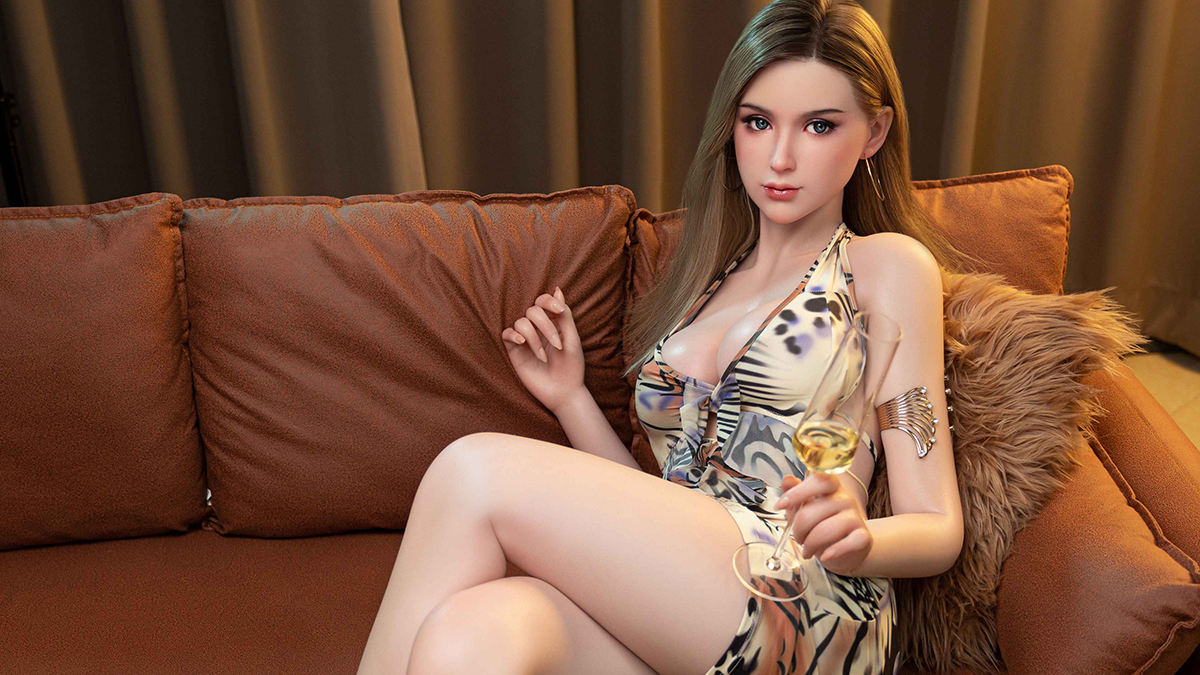
Weight is one of the most underestimated parts of choosing a realistic doll. Many buyers focus first on height, body shape, or visual appearance, but long-term ownership often depends more on how manageable the doll feels during cleaning, dressing, repositioning, storage, and photography. A doll that looks ideal online may feel very different once it needs to be moved through a room, lifted from storage, or positioned safely for display.
Realistic dolls are built with dense materials and internal skeletons, so even a mid-sized model can feel heavier than expected. This is especially true for first-time buyers who have only compared height measurements and product images. Weight affects nearly every part of ownership: how easy the doll is to carry, how much space is needed for cleaning, how safely it can be posed, and how often the owner will realistically want to move it.
Compact dolls are usually easier to handle because lower weight reduces physical effort during daily ownership. They are easier to reposition, dress, store, and clean, which can make the experience feel less intimidating for beginners. For buyers with smaller rooms, limited storage options, or privacy concerns, a compact model may provide a more practical first ownership experience.
Mid-sized dolls around 140–150 cm often provide one of the best balances between realism and usability. They can still create convincing visual proportions while remaining easier to manage than larger full-size models. For many owners, this category feels practical enough for regular handling while still offering enough presence for photography, styling, and display.
Full-size dolls create stronger visual realism, but they also require more careful planning. Moving, dressing, cleaning, and storing a larger model can become physically demanding, especially if the owner expects to change outfits often or reposition the doll for photography. Buyers should think realistically about whether they can lift and support the doll safely without dragging, pulling, or placing stress on joints.
Material also affects how weight feels during handling. Silicone often feels more structurally stable because it holds contour and posture more firmly. This can make it feel controlled during display, but larger silicone dolls may still be physically demanding because of material density and skeleton structure. TPE is softer and more flexible, which some owners find easier during certain movements, but its flexibility can also make the body feel heavier or less controlled when repositioning.
Cleaning routines become more difficult as weight increases. A heavier doll may require a stable shower chair, soft support surface, or more preparation before washing. Drying also takes more time because larger bodies have more folds, contact points, and moisture-prone areas. Owners who choose larger models should prepare a realistic cleaning setup before the doll arrives.
Weight also influences storage. A heavier model needs safer support, better positioning, and more attention to pressure points around hips, shoulders, knees, and ankles. Long-term standing or awkward seated positions may create unnecessary stress. For daily preservation, the doll should be stored in a relaxed position with proper support rather than placed under repeated pressure.
At AivoraDolls, we recommend thinking about weight as part of the full ownership experience, not as a minor specification. The best size is not only the one that looks realistic, but the one you can move, clean, store, dress, and maintain comfortably over time. A manageable doll is often enjoyed more consistently than a larger model that becomes difficult to handle after the first impression fades.
Realism, Proportion & Environmental Presence
Realism is often misunderstood as something created by larger size alone. In practice, a realistic doll feels convincing when height, body proportion, posture, sculpt detail, material behavior, and room environment work together. A taller model may create stronger visual presence, but that does not automatically mean it will feel more natural during everyday ownership.
Proportion is one of the most important factors in this decision. Shoulder width, torso length, hip shape, leg proportion, neck transition, hand size, and posture balance all affect how believable a doll appears under normal indoor lighting. If these details feel visually balanced, even a compact or mid-sized model can create strong realism. If the proportions feel exaggerated or disconnected, a larger model may look less natural despite its full-size scale.
Environmental presence also changes how size is perceived. A doll that looks impressive in isolated product photography may feel very different inside a real room. Bedroom size, furniture scale, lighting temperature, background composition, camera distance, and storage setup all influence whether the model feels integrated into the space or visually overwhelming.
This is why many experienced collectors eventually prioritize balance over raw height. A mid-sized doll with natural proportions and stable posture may feel more realistic in a private room than a taller model that is difficult to position or visually dominates the environment. Realism often becomes stronger when the doll fits naturally into the surrounding space instead of feeling oversized for the room.
Photography also reveals proportion differences quickly. Camera angle, lens distance, and lighting direction can make long limbs, shoulder width, waist shape, and posture lines more noticeable. A model with balanced sculpting usually photographs more consistently from multiple angles, while a doll chosen mainly for dramatic scale may require more careful positioning to avoid unnatural visual distortion.
Posture realism is another key part of environmental presence. A doll should look natural when seated, lying, standing with support, or positioned for display. If a model is too large or heavy for the owner to pose comfortably, it may become harder to maintain natural posture over time. This can affect both realism and long-term usability.
Material choice also interacts with proportion. Silicone often supports cleaner contour definition and stronger posture consistency, which can make proportions appear sharper under directional lighting. TPE often creates softer transitions and a more relaxed visual feel, which may suit buyers who prefer a gentler ownership atmosphere. The same height category can feel different depending on material behavior.
For buyers choosing their first model, the safest approach is to evaluate proportion and room fit together. Ask whether the doll will look balanced in your space, whether you can move it safely, whether it can be stored discreetly, and whether the proportions match the type of realism you prefer. A realistic size is not only about height; it is about how naturally the entire model works within your ownership environment.
At AivoraDolls, we believe the strongest realism comes from proportion harmony, manageable scale, and long-term presentation balance. A doll should not only look appealing in product images, but also remain visually natural during real handling, storage, display, and photography conditions.
Silicone vs TPE Size Experience
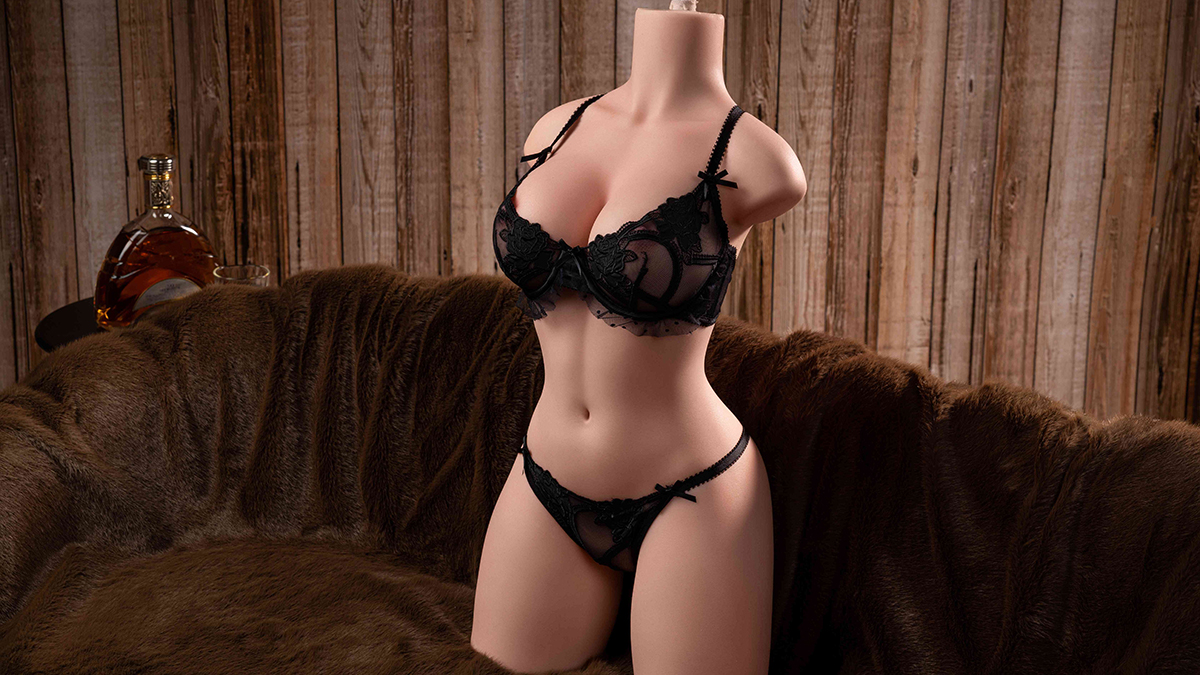
Material choice changes how doll size feels during real ownership. Two dolls with similar height measurements can feel very different depending on whether they are made from silicone or TPE. The difference is not only about softness; it also affects weight perception, posture control, contour definition, movement behavior, photography, and long-term handling comfort.
Silicone is often associated with a more structured size experience. Because the material usually holds contour and posture more firmly, silicone dolls may appear more visually defined under lighting. Facial structure, body lines, shoulder transitions, waist flow, and leg shape can look cleaner in photography or display settings. This can make silicone especially appealing for buyers who care about sculpt precision and refined presentation.
In compact or mid-sized dolls, silicone can create a strong balance between realism and manageability. The material’s firmer structure helps preserve body shape while the smaller or moderate size keeps handling more practical. For buyers who want a model that feels visually refined but not too difficult to move, this combination can be very attractive.
As size increases, silicone can create stronger life-size presence, but the ownership experience becomes more demanding. Larger silicone dolls may require more effort during lifting, cleaning, dressing, and storage. Buyers interested in full-size silicone models should think carefully about available space, physical handling comfort, and whether the doll will be moved frequently.
TPE creates a different size experience. Because it is softer and more flexible, TPE can feel more relaxed during handling and posing. Many buyers appreciate this softer body response, especially in compact or mid-sized models where the doll remains easier to move. For collectors who value tactile softness and flexible positioning, TPE can feel more approachable than a firmer silicone model.
However, larger TPE dolls can sometimes feel heavier or less controlled during repositioning because the softer material moves differently. Flexibility can make the body feel more difficult to support evenly if the owner is not prepared. This does not mean TPE is a poor choice, but it does mean buyers should consider weight distribution and handling technique before choosing a larger size.
Material also changes how the doll appears in different environments. Silicone often creates sharper contour separation under directional lighting, which can help with photography and display realism. TPE often creates softer transitions and a warmer visual impression under ambient indoor lighting. Both effects can feel realistic, but they support different ownership styles.
Maintenance expectations also differ. Larger dolls usually require more cleaning time regardless of material, but TPE may need more regular powdering and more careful surface attention because of its softer texture. Silicone may feel easier to manage from a surface-stability perspective, but it still requires proper cleaning, drying, and storage.
For buyers comparing size and material together, the best question is not simply “Which material is better?” but “Which material feels manageable at the size I want?” A compact TPE doll may feel easy and approachable, while a large TPE model may require more handling effort. A mid-sized silicone doll may feel refined and stable, while a full-size silicone model may require more storage and movement planning.
For a deeper material comparison, our Silicone vs TPE Dolls Guide explains how texture, sculpt definition, maintenance, and long-term ownership differ between both materials.
Photography, Display & Ownership Atmosphere
Photography and display needs should be considered before choosing a doll size because scale affects how naturally the model appears in real spaces. A doll may look balanced in promotional images, but indoor lighting, room size, camera distance, furniture scale, and posture setup can change how the same size feels during ownership.
Compact and mid-sized dolls often integrate more easily into ordinary rooms. They usually require less space for posing, styling, and storage, which can make photography sessions more practical for owners working in bedrooms, apartments, or smaller private spaces. A moderate size can also feel visually balanced when photographed with furniture, bedding, or lifestyle backgrounds.
Full-size dolls create a stronger environmental presence. For photography-oriented collectors, models around 155–165 cm can feel more immersive because the body scale is closer to natural adult proportions. When lighting, posture, and background composition are handled well, full-size dolls can create a more realistic human-scale atmosphere in photos and display settings.
However, larger size also requires more control. A full-size or taller model may dominate the room if the background is too small, the pose is awkward, or the camera angle is too close. Buyers who want larger dolls for photography should think about whether they have enough space to adjust distance, lighting, and posture comfortably. Without enough room, a large doll can feel visually crowded rather than realistic.
Camera angle also affects size perception. Low angles can make taller models appear more dramatic, while close-up shots can exaggerate proportions. Mid-sized dolls may photograph more naturally in tighter rooms because the camera can capture the full body without requiring excessive distance. This is one reason some collectors prefer balanced mid-size categories even when they appreciate full-size realism.
Display atmosphere is also influenced by posture. A doll that is easier to position naturally will usually look more realistic over time. If a model is too heavy or large for the owner to adjust safely, it may end up being displayed in fewer poses. A more manageable size often allows better posture variety, easier outfit changes, and more consistent photography use.
Material behavior adds another layer to display quality. Silicone often supports cleaner contour definition and a more structured photography look, while TPE creates softer transitions and a more relaxed visual atmosphere. Size, material, lighting, and posture should be considered together rather than separately.
At AivoraDolls, we believe photography and display realism should feel sustainable. The right doll size should not only look impressive in a single image, but also fit naturally into the room, lighting, styling habits, and long-term presentation style of the owner.
Clothing, Storage & Everyday Practicality
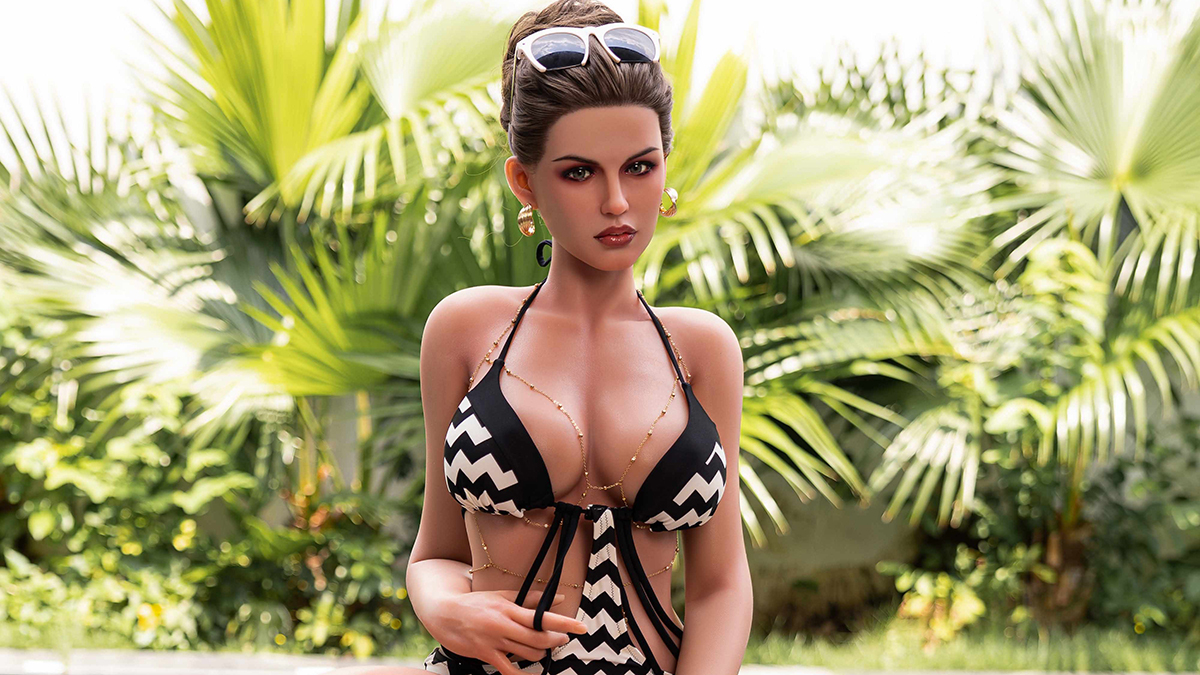
Clothing fit, storage planning, and everyday practicality are important parts of choosing the right doll size. A model may look impressive in photography, but long-term ownership becomes much easier when the doll can be dressed, moved, cleaned, stored, and displayed without constant difficulty. This is why a practical realistic doll size guide should include more than height and weight alone.
Clothing compatibility changes across different height categories. Compact dolls may require modified youth sizing, petite clothing, or specially selected small garments. Mid-sized and full-size dolls may fit closer to women’s XS, S, or M sizing depending on body shape, shoulder width, bust size, hip volume, and limb length. Because doll proportions do not always match standard human sizing, buyers should expect some trial and adjustment when choosing outfits.
Body proportion matters more than size label alone. A doll with balanced shoulders, waist, hips, and leg length will usually wear clothing more naturally than a model chosen only for height. Fabric drape, sleeve length, waistband pressure, and neckline fit all affect how realistic the doll appears during display or photography. For styling-focused collectors, proportion balance often becomes more important than choosing the tallest option.
Material behavior also affects clothing fit. Silicone usually holds body contours more firmly, which can create cleaner lines under fitted clothing. TPE is softer and more flexible, so clothing may sit differently depending on pressure, fabric weight, and body positioning. Tight outfits should be used carefully with both materials, especially if they are dark, synthetic, or heavily dyed.
Storage is another major factor. Compact and mid-sized dolls are usually easier to store discreetly because they require less space and are easier to reposition. Full-size and taller dolls often need more planning, especially if the owner has limited room, shared living space, or needs private storage. Before choosing a larger size, buyers should think about where the doll will be kept when not in use.
Long-term storage should also protect the material. The doll should be kept in a clean, dry, temperature-stable area away from direct sunlight. Soft support surfaces, relaxed limb positions, and reduced pressure around hips, shoulders, knees, and elbows help preserve both surface texture and structural balance. A larger doll may require more padding, space, and support to avoid pressure concentration.
Everyday usability often determines whether owners continue enjoying the doll after the first impression fades. A model that is too heavy or difficult to move may be used less often, styled less frequently, and stored in limited positions. A more manageable size may create stronger long-term satisfaction because it is easier to clean, dress, photograph, and maintain consistently.
Privacy should also be considered. Some buyers need a doll that can be stored discreetly in a smaller space, while others have a dedicated room for display or photography. If discreet storage is important, compact or mid-sized options may be easier to manage. For buyers with more space and stronger display goals, full-size models may feel more suitable.
At AivoraDolls, we recommend choosing a size that supports your actual lifestyle, not only your visual preference. The best doll size should feel realistic, but also practical enough to dress, store, clean, and handle safely over time.
Choosing the Right Size for Your Ownership Style
Choosing the right doll size depends on how you expect to use and maintain the model over time. There is no single best size for every buyer. The most suitable choice depends on your room space, handling comfort, privacy needs, photography goals, storage setup, material preference, and how often the doll will be moved, dressed, or displayed.
For buyers who want easier handling and lower maintenance pressure, compact or mid-sized dolls are often the most practical choice. These sizes are easier to reposition, clean, dress, and store, which makes them especially suitable for first-time owners or collectors with limited space. A smaller model can still feel realistic when the sculpt, posture, and proportions are well balanced.
The 140–150 cm range is often a strong middle option because it offers realistic visual presence without becoming too difficult to manage. Many buyers find this size category easier to integrate into ordinary rooms, photography setups, and storage spaces. It can provide enough scale for realism while remaining more practical than larger full-size models.
Full-size dolls around 155–165 cm are better suited for buyers who want stronger human-scale presence, immersive photography, and more life-size display realism. These models can look highly convincing under controlled lighting and natural room settings, but they also require more strength, space, and planning. Buyers should be comfortable with the extra weight before choosing this category.
Taller models may appeal to collectors who want dramatic silhouette, fashion-style photography, or a more striking visual presence. However, taller size usually increases every practical demand: storage space, cleaning time, lifting effort, outfit selection, and posture management. These models are best suited for buyers who already understand the handling requirements or have a dedicated display environment.
Material should also guide the size decision. A mid-sized silicone doll may feel refined and stable because the material supports contour definition and posture control. A mid-sized TPE doll may feel softer and more flexible, creating a different ownership experience. At larger sizes, both materials require more careful handling, but TPE flexibility and silicone density may each create different challenges during movement.
Buyers should also consider how frequently the doll will be used for styling or photography. If you plan to change outfits often, move the doll between rooms, or adjust poses regularly, a manageable size may be more satisfying than the largest option. If the doll will stay mostly in one display space, a larger size may be easier to justify.
The best choice is usually the size that feels realistic without becoming difficult to live with. A doll that matches your physical comfort, room layout, storage plan, and visual preference will usually create stronger long-term satisfaction than one chosen only for maximum height or dramatic promotional impact.
Final Perspective
Choosing the right doll size is ultimately about balancing realism with practical ownership. Height, weight, material, body proportion, storage space, handling comfort, clothing fit, and photography goals all influence whether a model will feel satisfying over time. A doll should not only look impressive online; it should also feel manageable, visually balanced, and realistic within your actual environment.
Compact dolls often provide easier handling, simpler storage, and lower physical effort, making them suitable for first-time buyers or collectors with limited space. Mid-sized dolls usually offer one of the strongest balances between realism and usability, especially for buyers who want a realistic appearance without excessive handling difficulty. Full-size and taller dolls create stronger visual presence, but they also require more careful planning around movement, cleaning, storage, and display.
Material choice also changes how size feels. Silicone often supports sharper contour definition, stronger posture stability, and a more refined photography presence. TPE often creates softer tactile realism and a more flexible ownership feel. The same height can feel very different depending on material behavior, weight distribution, and how often the doll will be moved or styled.
The most important point is that larger size does not automatically mean better realism. A well-proportioned mid-sized doll may feel more natural in real ownership than a larger model that is difficult to move, store, or display comfortably. Realism depends on the relationship between scale, sculpt harmony, posture, lighting, and the surrounding environment.
At AivoraDolls, we believe the best size is the one that fits your long-term ownership style. Whether you prefer compact practicality, balanced mid-size realism, full-size presence, or a taller display-focused model, the strongest choice is the one you can handle, care for, store, and enjoy consistently over time.
FAQ About Doll Sizes and Ownership
What is the best doll size for beginners?
Many beginners prefer dolls around 140–150 cm because this range often balances realistic proportions with more manageable weight, easier handling, and practical storage. Compact models can also be a good choice for buyers with limited space.
Do larger dolls always look more realistic?
No. Larger dolls can create stronger visual presence, but realism depends more on sculpt quality, body proportion, posture, lighting, and how naturally the doll fits into the room. A balanced mid-sized doll can often feel more realistic than an oversized model.
Which doll size is easiest to handle?
Compact and mid-sized dolls are usually easier to move, clean, dress, and store. Larger dolls may look more immersive, but they require more physical effort and better storage planning.
What size is best for photography?
Many photography-focused collectors prefer full-size dolls around 155–165 cm because they create stronger human-scale presence. However, mid-sized dolls can photograph very naturally in smaller rooms where camera distance and space are limited.
Does material affect how size feels?
Yes. Silicone often feels more structured and stable, while TPE feels softer and more flexible. At larger sizes, both materials require careful handling, but their weight distribution and movement behavior can feel different during ownership.
Are smaller dolls easier to store discreetly?
Yes. Compact and mid-sized dolls are usually easier to store in smaller rooms, closets, or private spaces. Full-size and taller dolls often require more dedicated storage planning and stronger support surfaces.
How important is weight when choosing a doll?
Weight is very important because it affects cleaning, dressing, repositioning, storage, and long-term usability. Buyers should choose a size they can move and support safely without dragging, pulling, or placing stress on joints.
How should I choose the right doll size?
Start with your room space, handling comfort, storage needs, photography goals, and maintenance routine. The right size is the one that feels realistic while still being practical enough to move, clean, dress, and store comfortably.