
Silicone vs TPE Dolls: The Quick Answer
Choosing between silicone vs TPE dolls is not simply a question of which material is better. Silicone is usually the stronger choice for buyers who prioritize defined sculpting, surface detail, photography and a structured display presence. TPE is usually better suited to buyers who prioritize softness, flexibility and a lower typical starting price.
Neither material guarantees realism, durability or easy ownership on its own. The formula, sculpt, body proportions, surface finish, skeleton, total weight and care instructions can matter just as much as the material name. The better choice is the one that fits how you plan to handle, clean, store, dress, photograph and maintain the doll.
Choose silicone if: you value defined detail, photography, structured presentation and a care routine that often requires less regular surface powdering.
Choose TPE if: you value softness, compressibility, flexibility and a more accessible typical starting price.
Do not decide from material alone: compare the exact model’s weight, skeleton, finish, warranty and manufacturer care instructions.
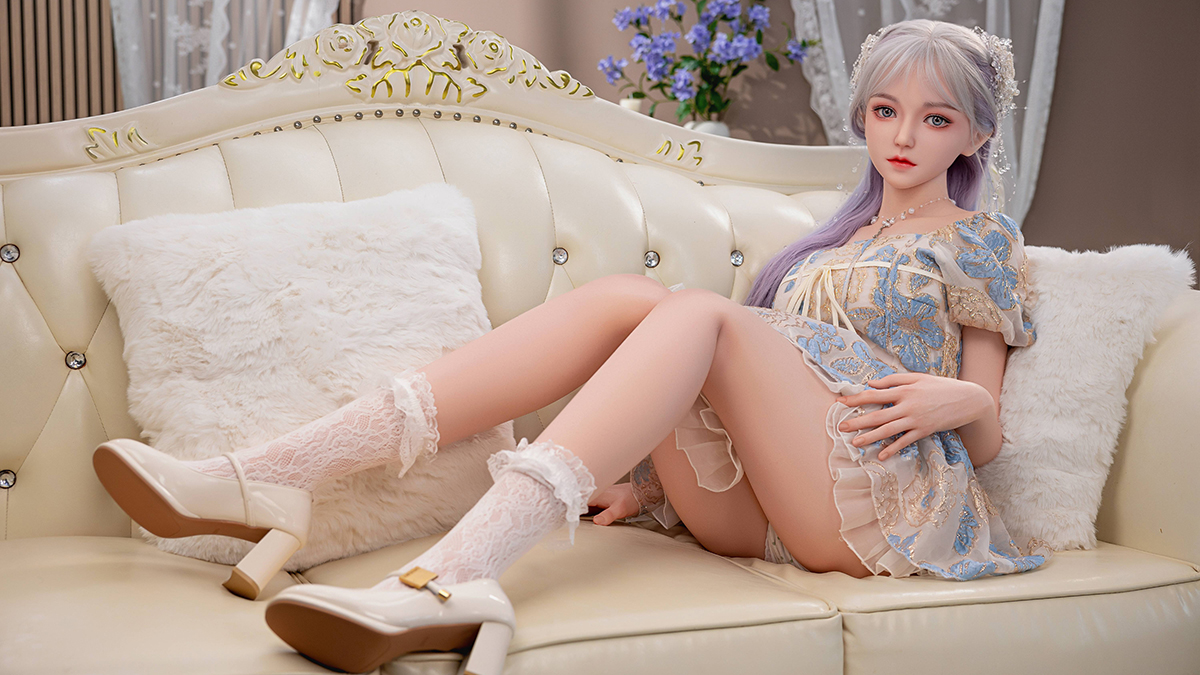
Silicone vs TPE Dolls Comparison
| Comparison point | Silicone | TPE |
|---|---|---|
| Typical feel | Usually firmer and more controlled, although softness varies by formula | Usually softer, more compressible and more flexible |
| Sculpt detail | Often supports defined facial features, fingers, texture and body contours | Often creates softer transitions; detail still depends on sculpt and finishing quality |
| Photography | Often selected for contour definition and controlled surface detail | Can create a softer visual presentation; lighting and finish remain important |
| Flexibility | Generally more structured; posing depends primarily on the skeleton and joints | Generally more flexible at the surface; posing still depends on the skeleton |
| Routine surface care | Often needs less routine powdering, but still requires gentle cleaning and complete drying | May require more attention to powdering or surface treatment, depending on the formula |
| Stain precautions | Can still be affected by dark dyes and unsuitable products | Commonly requires stricter precautions with dark or heavily dyed fabrics |
| Typical starting price | Usually higher, although price varies by brand, size, features and finish | Usually lower, although premium TPE models can still be expensive |
| Often suits | Defined detail, photography and structured display | Softness, flexibility and value-focused buying |
These are general tendencies, not guarantees. Silicone and TPE are families of materials rather than single, identical formulas. Compare the exact model, total weight, skeleton, care instructions, included options and warranty instead of relying on the material label alone.
Material, Texture and Tactile Feel
Silicone is a cured elastomer that commonly creates a firmer, more controlled surface. This structure can help preserve fine sculpted details around the face, collarbone, hands, feet and body contours. Modern silicone formulas vary considerably, so one silicone model can feel different from another.
TPE, or thermoplastic elastomer, is commonly formulated to feel softer and more compressible. It often responds more readily to pressure, which is one reason it appeals to buyers who prioritize softness. The exact feel still depends on the compound, body design, temperature, surface treatment and condition of the model.
Technical material suppliers publish different values for hardness, elongation, tear resistance and other properties across individual grades. The WACKER silicone rubber guide and KRAIBURG TPE product database illustrate why broad material labels cannot predict the performance of every finished product. For a doll purchase, the seller’s model-specific specifications and care instructions are more useful than a generic claim about silicone or TPE.
Softness should not be treated as the only measure of realism. A softer surface may feel convincing to the touch while showing gentler contours. A firmer surface may retain more visible definition. Decide whether your priority is tactile softness, sculpt detail, photography, display or a balance of these qualities.
Before ordering, ask whether the head and body use the same material, which softness or surface option is selected, what treatment is applied and which care products are approved. If the description uses a branded formula, request specifications for the exact configuration being sold.
Which Material Looks More Realistic?
Silicone often has an advantage in close-range visual definition. Its structure can support controlled facial contours, fingers, nails, body transitions and detailed finishing. Under carefully positioned light, those features may create clearer shadows and a consistent silhouette.
TPE creates a different visual effect. Its softer response can produce gentler transitions and a less structured appearance. A well-sculpted and carefully finished TPE model can look more convincing than a poorly proportioned silicone model. Material alone cannot correct an unrealistic sculpt or an unsuitable pose.
Overall visual realism depends on the complete design:
- Facial balance, expression and eye alignment
- Shoulder, waist, hip and leg proportions
- Hand, foot, nail and surface-detail finishing
- Skeleton design and natural joint positioning
- Makeup, wig, clothing and accessories
- Lighting, camera distance and image processing
Buyers focused on defined photography or display can explore the Silicone Realism collection. The category emphasizes balanced proportions, sculpt detail and visual presentation rather than softness claims alone.

Cleaning, Maintenance and Stain Risk
Neither material is maintenance-free or self-cleaning. Both require gentle cleaning, complete drying, suitable storage and protection from excessive heat, direct sunlight, sharp objects and strongly dyed fabrics. Product-specific instructions should take priority because formulas and finishes vary.
Silicone care
Silicone commonly requires less routine powdering than TPE, but that does not mean it can be cleaned with any household product. Use only products approved for the model, rinse as directed and dry carefully. Avoid prolonged pressure on delicate areas and test dark clothing before extended contact because silicone is not completely immune to dye transfer.
TPE care
TPE may require more attention to surface feel, powdering, fabric contact and storage position. The correct routine depends on the maker’s formulation and finish. Do not leave moisture on the surface, and avoid harsh cleaners, unknown oils, solvents, adhesives or repair products that have not been approved for that model.
Clothing and product compatibility
Wash new clothing when appropriate, test uncertain fabrics on a hidden area and avoid leaving dark or heavily dyed garments in contact for long periods. Cleaning, powdering and repair products made for one material should not automatically be used on the other. For a complete routine, see the Care & Maintenance Guide.
Durability and Expected Lifespan
There is no reliable universal lifespan for either material. Condition depends on the exact compound, build quality, wall thickness, joint design, handling frequency, cleaning, storage, clothing, temperature and whether minor damage is addressed early.
Silicone is often chosen for a more stable, defined presentation, while a very soft TPE surface may require more attentive handling. That general difference does not prove that every silicone doll will outlast every TPE doll. A carefully maintained model can remain in better condition than a higher-priced model exposed to repeated stress, moisture, unsuitable products or poor storage.
Before purchase, review the warranty, exclusions, repair policy, replacement-head availability and model-specific care instructions. For a fuller explanation of the variables that affect service life, read How Long Do Silicone Dolls Last?
Weight, Handling, Posing and Storage
Material is only one part of practical ownership. Height, body volume, internal construction, weight distribution and joint resistance can have a greater effect on handling than whether the model is silicone or TPE. Do not assume that every TPE model is lighter or that every silicone model is easier to pose.
Before choosing a model, confirm:
- The total weight and whether the head is included in the published figure
- Whether you can safely lift, dress and reposition it without assistance
- The amount of floor, bed and storage space available
- The manufacturer’s approved storage position or hanging method
- Whether standing feet or other posing features are included
- How often the model will be moved, cleaned, dressed or photographed
A smaller, manageable model may provide a better ownership experience than a larger model that is difficult to move or maintain. Use the Realistic Doll Size Guide and silicone doll weight guide to plan handling and storage before ordering.
Price and Long-Term Value
TPE dolls generally have a lower typical starting price, which can make them attractive to first-time buyers. Silicone dolls usually cost more, although size, construction, customization, brand and finishing can change the price substantially. Premium TPE models can cost more than entry-level silicone models, so material is not a complete price category.
Compare the complete purchase rather than the product price alone:
- Body and head material
- Height, total weight and skeleton options
- Makeup, wig, eyes and customization
- Included accessories and care supplies
- Shipping, duties and payment costs
- Warranty, repair support and replacement options
- The time, space and supplies required for maintenance
A less expensive model can become inconvenient if it does not fit your space, handling ability or care routine. A more expensive model is not automatically better if its weight, firmness or visual style does not match your priorities.

Which Material Should You Choose?
Choose silicone when you prioritize:
- Defined sculpt and surface detail
- Photography and structured display presentation
- Controlled contours and visual consistency
- A routine that commonly needs less regular powdering
- Detail and form over maximum softness
Choose TPE when you prioritize:
- Softer and more compressible material
- Flexible surface response
- A lower typical starting price
- A softer rather than highly structured presentation
- Softness over maximum sculpt definition
For first-time buyers
Do not automatically choose TPE because it is typically softer or less expensive. First compare weight, available storage, cleaning requirements, stain precautions, visual preference and seller support. A manageable silicone model may be easier for one buyer, while a softer TPE model may better fit another buyer’s priorities.
If you still need to compare body size, realism, customization and ownership requirements, use the Silicone Doll Buying Guide before selecting a product.
Browse Full Silicone Dolls – for defined detail, structure and photography-oriented presentation.
Browse TPE Dolls – for softness, flexibility and a more accessible typical starting price.
FAQ About Silicone vs TPE Dolls
Is silicone more realistic than TPE?
Silicone often provides more defined sculpt detail and a structured visual presentation. TPE is usually softer and may feel more realistic to buyers who prioritize touch. Overall realism also depends on sculpt quality, proportions, finishing, posing and lighting.
Are TPE dolls softer than silicone dolls?
Usually, but not universally. TPE is commonly softer and more compressible, while silicone is generally firmer. Exact softness varies between formulas, so compare the specific model and selected material option rather than relying only on the label.
Which material is easier to maintain?
Silicone commonly requires less regular powdering, while TPE may need more attention to surface treatment, fabric dyes and storage. Both require gentle cleaning, complete drying and maker-approved products. Follow the exact care guide supplied with the model.
Which material lasts longer?
There is no universal lifespan that applies to every silicone or TPE doll. Formula, construction, handling, storage, cleaning and environmental exposure determine how a model ages. Warranty and repair support may be more useful buying criteria than a generalized lifespan claim.
Which material is better for beginners?
Neither is automatically better for every beginner. TPE may appeal to buyers who want softness and a lower typical starting price. Silicone may suit buyers who prefer defined detail and less routine powdering. Size, weight, maintenance, storage and budget should guide the choice.
Can silicone and TPE be stained by clothing?
Yes. Both can be affected by strongly dyed fabrics, although TPE commonly requires stricter precautions. Wash or test new clothing when appropriate, avoid prolonged contact with dark fabrics and follow the seller’s care instructions.