
Sex Doll Care & Maintenance for Long-Term Ownership
Consistent sex doll care and maintenance protects surface texture, hygiene, joints, makeup, and overall condition. The essential routine is simple: use products approved for the exact material, clean gently, dry completely, reduce fabric and pressure damage, and store the doll with proper support.
Silicone and TPE formulations vary between manufacturers. Always follow the instructions supplied with your model when they differ from general guidance. Do not assume that a cleaner, powder, oil, adhesive, heat treatment, or repair method is safe simply because it worked on another doll.
Clean: use lukewarm water and the manufacturer-approved mild cleanser.
Dry: pat dry and allow full airflow before dressing or storage.
Protect: test clothing, avoid prolonged pressure, and move joints slowly.
Store: use a clean, dry, shaded location and the approved storage position.

Quick Care Schedule
| When | Recommended check |
|---|---|
| After handling or use | Clean affected areas as required, dry completely, inspect contact points, and return joints to a relaxed position. |
| After changing clothing | Check for dye transfer, friction, tight straps, pressure marks, and sharp accessories. |
| After a full wash | Inspect folds and internal areas for retained moisture; apply approved powder only after complete drying. |
| During storage | Check temperature, humidity, support, sunlight exposure, posture, and clothing contact periodically. |
| Before photography or display | Inspect joints, fingers, wig, makeup, clothing, dust, surface shine, and stability of the planned pose. |
| When damage appears | Stop the activity causing stress, photograph the area, and ask the seller which repair method is approved. |
Frequency depends on how the doll is used. A display model may mainly need dust, clothing, light, and posture checks. A model that is handled or repositioned frequently will need more regular cleaning, drying, and joint inspection.
1. Identify the Material Before Using Any Product
Silicone and TPE need different care. If you are unsure which material is used in the body, head, or specific parts, confirm it with the seller before applying a cleaner, powder, oil, stain treatment, or adhesive.
Silicone
Silicone is generally more structurally stable and commonly requires less powdering. It still needs gentle cleaning, complete drying, protection from incompatible chemicals, and careful handling around painted details and seams. Different silicone formulations and surface coatings can respond differently to care products.
TPE
TPE is generally softer and more responsive to heat, friction, fabric dyes, and surface treatments. It commonly needs closer attention to drying, powdering, clothing, and pressure. Do not apply mineral oil or another “renewal” product unless the manufacturer specifically approves it for that formulation.
For a wider material comparison, see Silicone vs TPE Dolls.
2. How to Clean a Silicone or TPE Doll
Use the gentlest effective method. More soap, hotter water, and harder scrubbing do not provide better long-term care. They can increase friction, affect coatings, and damage painted details.
Prepare
- Remove jewelry, clothing, the wig, and detachable accessories when appropriate.
- Place the doll on a clean, padded, stable surface or manufacturer-approved support.
- Protect electrical or mechanical components if the model contains them.
- Prepare soft, lint-free cloths and the cleanser approved for the material.
Clean
- Use lukewarm water; avoid very hot water and prolonged soaking unless specifically permitted.
- Apply a small amount of approved mild cleanser using a soft cloth or sponge.
- Wipe gently rather than scrubbing. Take extra care around seams, fingers, toes, painted areas, and body folds.
- Clean moisture-prone and high-contact areas carefully.
- Rinse away cleanser residue without directing excessive pressure at delicate openings, joints, or attached features.
- Support the torso and hips when moving the wet doll; do not lift or drag it by one limb.
Internal areas
Follow the model-specific instructions for removable inserts or internal cavities. Use the approved cleaning and drying tools, and never store the doll while moisture remains. Avoid inserting rough, sharp, or incompatible materials.
Do not use alcohol, acetone, bleach, abrasive pads, strong household cleaners, essential oils, scented sprays, or unapproved antibacterial products. If a product is not listed as compatible with the exact material and finish, ask before using it.
3. Dry Completely Before Dressing or Storage
Incomplete drying is a common cause of odor, residue, tackiness, and hygiene problems. A surface may feel dry while moisture remains in folds, behind joints, under the breasts, between the thighs, or inside removable and internal areas.
- Pat the surface with clean, soft, lint-free towels.
- Inspect folds and contact points individually.
- Use manufacturer-approved absorbent tools for internal areas.
- Allow the doll to air-dry in a clean room with moderate temperature and airflow.
- Do not dress, powder, cover, or place it in enclosed storage until fully dry.
Avoid concentrated heat from hair dryers, heaters, heat guns, or direct sunlight. Heat can affect material, adhesive, paint, hair, and surface treatments. Allow extra drying time in humid conditions.
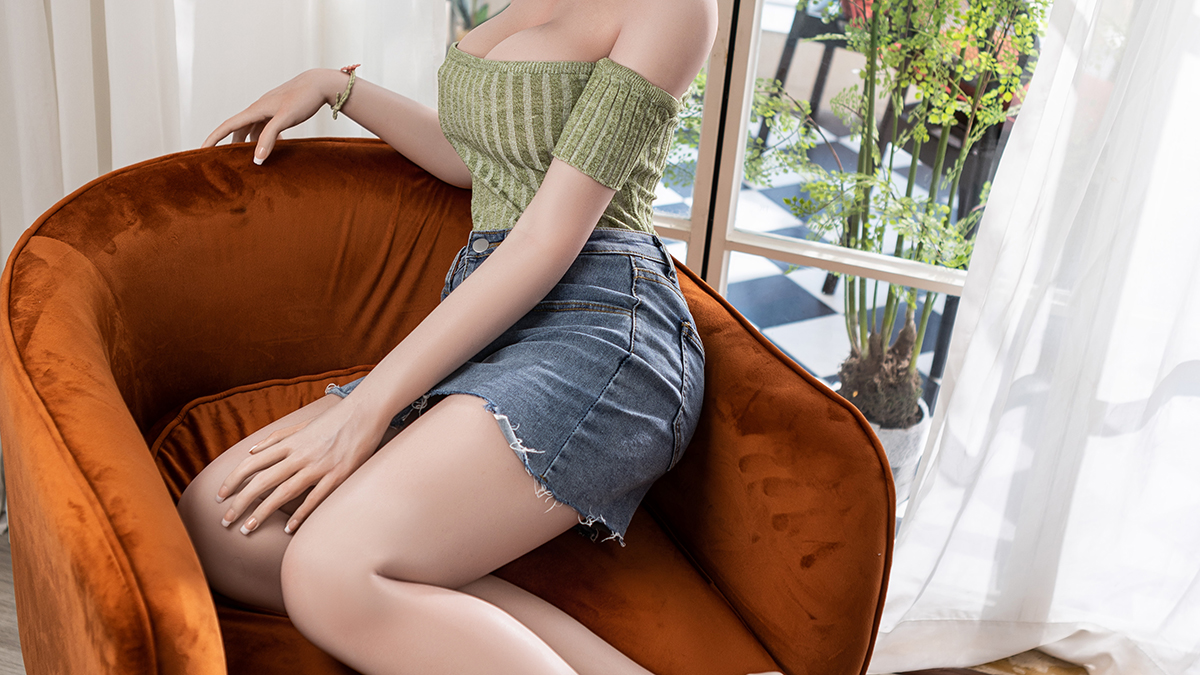
4. Powdering and Surface Treatments
TPE commonly benefits from an approved renewal powder after cleaning and complete drying. Powder can reduce tackiness and friction during dressing. Silicone often needs less frequent powdering, and some finishes may not require it at all.
- Use only the powder recommended by the manufacturer.
- If plain cornstarch is recommended, use a clean, fragrance-free product.
- Apply a very thin, even layer with a soft brush or clean applicator.
- Remove visible excess from folds before dressing or photography.
- Never apply powder to a damp surface.
Avoid talc, glitter, scented cosmetic powders, and products containing unknown oils or additives. Do not “moisturize” TPE or silicone with household oils, lotions, or solvents unless the manufacturer provides exact instructions.
5. Prevent Clothing Stains and Surface Pressure
Dark dyes, tight clothing, heat, moisture, and prolonged contact can increase staining risk. TPE commonly requires stricter precautions, but silicone is not immune.
- Wash new dark clothing separately until the rinse water is clear.
- Test fabric on a hidden area for a short period before extended wear.
- Use light-colored, loose clothing for long displays or storage.
- Remove tight waistbands, straps, stockings, and dark outfits after photography.
- Check seams, metal fasteners, zippers, jewelry, and rough decorations.
- Place clean, light, neutral fabric between the doll and dark support surfaces.
If discoloration appears, remove the fabric and photograph the affected area. Do not immediately apply bleach, solvent, heat, or an internet stain remedy. Ask the seller for a material-specific treatment; aggressive stain removal can cause more damage than the original mark.
6. Safe Long-Term Storage
The correct storage method depends on the model, skeleton, material, and available accessories. Follow the manufacturer’s approved position and support instructions.
A suitable storage area should be:
- Clean, dry, and protected from direct sunlight
- Away from heaters and significant temperature changes
- Large enough to avoid compressed limbs or twisted joints
- Free from sharp edges, rough surfaces, and dark dyes
- Private but not sealed while any moisture remains
Use relaxed joint angles and spread pressure across a padded, neutral surface. Avoid leaving the body resting on the same small contact point for extended periods. If the doll is displayed, inspect and reposition it periodically within the manufacturer’s limits.
Standing features vary. Do not assume a model can remain standing for long periods or without support. Concentrated weight can stress feet, ankles, knees, and the internal frame. Confirm the permitted duration and support method with the seller.
7. Protect Joints, Fingers, and the Internal Skeleton
Most joint damage develops through repeated force, awkward lifting, or leaving the body under stress—not normal, careful movement.
- Move one joint at a time and stop when resistance becomes unusual.
- Support the torso and hips during lifting and repositioning.
- Never pull or carry the doll by one arm, leg, wrist, ankle, or head.
- Keep joints in relaxed positions during storage.
- Do not force extreme poses for photography.
- Guide fingers through sleeves and stockings; do not bend internal finger wires repeatedly.
- Remove rings and tight accessories before storage.
Plan photography poses before moving the body, use physical support outside the camera frame when appropriate, and return the doll to a safe position after the session. The Realistic Doll Size Guide can help buyers evaluate weight and handling requirements before purchase.

8. Makeup, Face, Eyes, and Wig Care
Facial finishing is more delicate than most body surfaces. Use a barely damp, soft cloth when cleaning is necessary, and avoid rubbing lips, eyebrows, eyelashes, blushing, or other painted detail. Do not use cosmetic remover unless the manufacturer approves it.
For wigs:
- Remove the wig before full-body cleaning when practical.
- Use products and tools intended for the wig fiber.
- Detangle from the ends upward without pulling at the cap.
- Store long wigs separately if they cause friction, tangling, or dye contact.
- Avoid leaving dark wig caps or accessories against the head for extended periods.
Do not attempt to reposition eyes, eyelashes, implanted hair, or attached details unless the product instructions allow it. Contact support when a component becomes loose.
9. Responding to Stains, Tears, Loose Seams, or Joint Problems
Stop using or moving the affected area as soon as damage is noticed. Continuing to stretch a tear, force a joint, or apply pressure to a loose seam can turn a small issue into a larger repair.
- Place the doll in a stable, supported position.
- Take clear photographs in neutral lighting.
- Record when the issue appeared and what happened immediately beforehand.
- Contact the seller with the model, material, order details, and photographs.
- Use only the repair product and curing process approved for that material.
Do not use household glue, uncontrolled heat, solvent, sanding, or a repair product intended for the other material. Tears near joints, skeleton movement, detached fingers, large seam separation, or electrical problems should receive professional guidance.
For broader expectations about aging and care, read How Long Do Silicone Dolls Last?
10. A Sustainable Maintenance Routine
The best routine is one you can perform consistently. Keep the approved supplies together, allow enough cleaning and drying time, and inspect the doll before problems become severe.
- Clean gently when needed rather than over-cleaning.
- Dry fully before powdering, dressing, or storage.
- Check clothing and pressure points after each styling session.
- Return joints to relaxed positions.
- Inspect seams, fingers, high-friction areas, wig, and makeup periodically.
- Adjust drying and storage checks during hot or humid weather.
- Keep the seller’s care and warranty instructions available.
If you are still comparing material, weight, and care requirements before purchase, use the Silicone Doll Buying Guide.
Need Product-Specific Care Help?
For model-specific questions, contact [email protected] with the model name, material, order details, photographs, and the product or method you are considering. Ask before applying an unfamiliar cleaner, oil, powder, stain treatment, adhesive, or heat process.
FAQ About Sex Doll Care and Maintenance
How often should a silicone or TPE doll be cleaned?
Clean according to handling and use rather than an arbitrary calendar. Address affected areas when needed, and perform a more complete clean when residue, dust, clothing contact, or product instructions require it.
Can I use alcohol or household cleaners?
Do not use alcohol, acetone, bleach, abrasive products, or strong household cleaners unless the manufacturer explicitly approves them. Use the mild, material-compatible cleanser specified for the model.
Why does TPE feel sticky?
Heat, humidity, incomplete drying, surface treatment, or the material formulation can affect surface feel. Clean and dry the area as instructed, then apply only the approved renewal powder. Contact the seller if tackiness persists or is accompanied by material change.
Do silicone dolls need powder?
Some silicone finishes may benefit from light powdering, while others do not require it. Follow the manufacturer’s instructions instead of applying powder automatically.
How can I prevent clothing stains?
Wash and test new fabrics, use light-colored clothing for extended contact, remove tight dark outfits after use, and keep the doll away from dark storage surfaces. Seek material-specific guidance if a stain appears.
What is the safest storage position?
Use the position and support method approved for the model. In general, keep the doll dry, shaded, padded, and supported with relaxed joints and no concentrated pressure on delicate areas.
What should I do if I find a tear or joint problem?
Stop stressing the area, support the doll, take photographs, and contact the seller. Do not improvise with household glue, solvent, heat, or a repair product intended for a different material.